Wadi Hammamat, Archaeological route in Eastern Desert, Egypt
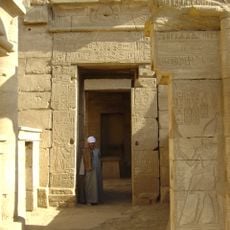
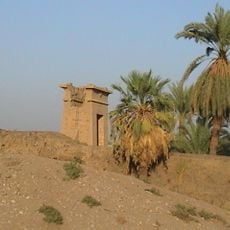
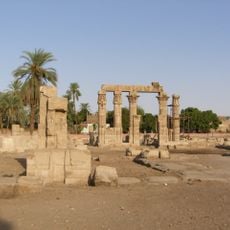
Wadi Hammamat is a dried riverbed in the Eastern Desert of Egypt, stretching from Qift to Al-Qusair and forming a natural passage through rock formations. The valley cuts through steep stone walls, with sandy and rocky ground below, displaying the characteristic landscape of Egypt's desert terrain.
During the Middle Kingdom, this dried riverbed served as a vital trade route connecting the Nile Valley to Red Sea ports and supported centuries of intense use. This passage was so important for commerce and communication that it left traces of many generations of travelers and workers.
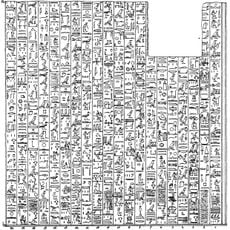
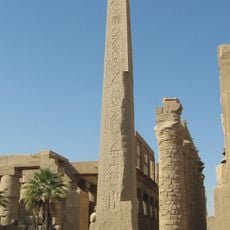
The rock walls bear thousands of hieroglyphic inscriptions and petroglyphs showing how ancient Egyptians recorded their journeys, beliefs, and everyday moments. Visitors walking past these stone surfaces can observe these carvings directly and understand what mattered to people living thousands of years ago.
Visiting this site requires a desert-equipped vehicle and an experienced guide, as the location is remote and the terrain is challenging. The best time to explore is during cooler months when temperatures are less demanding.
The valley holds the only known painted rock inscription from this desert region, dating back thousands of years. This rare colored marking stands apart from the simple engravings found elsewhere on the stone surfaces.
The community of curious travelers
AroundUs brings together thousands of curated places, local tips, and hidden gems, enriched daily by 92,528 contributors worldwide.