Aten, Archaeological site near Luxor, Egypt
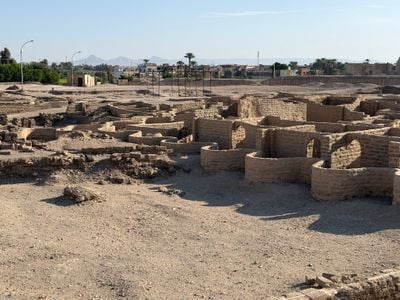
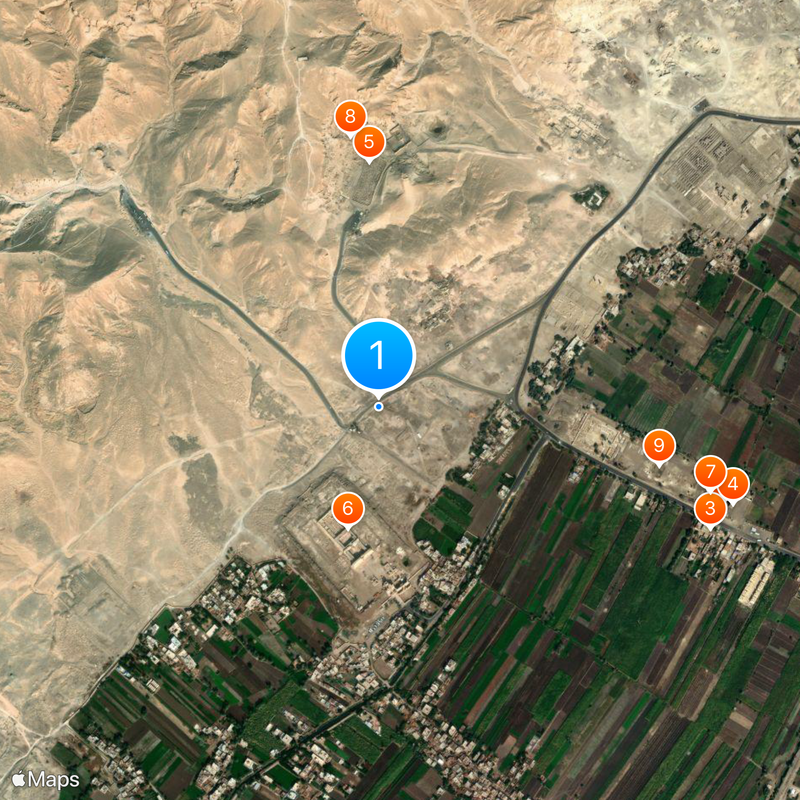
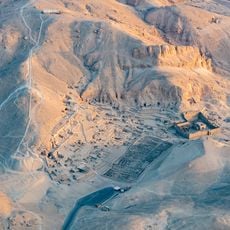
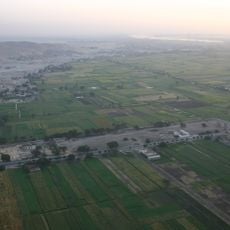
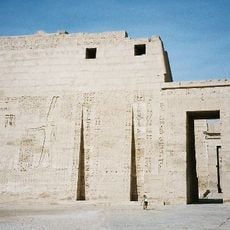
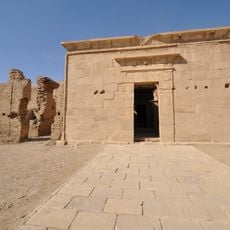
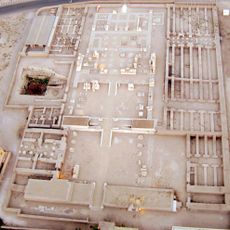
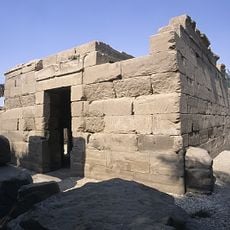
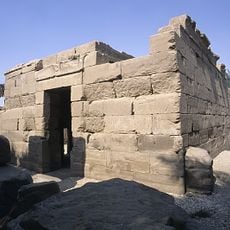
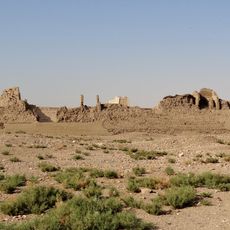
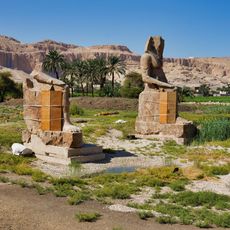
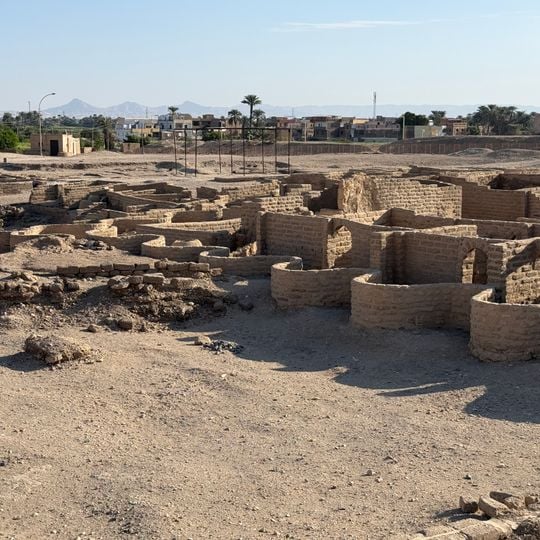
Aten is an ancient site near Luxor on the eastern bank of the Nile, where foundations of buildings, column remains and some low walls made of mud bricks are preserved. The individual areas are spread over a large terrain with paths between the ruins and some protective shelters over exposed structures.
In the 14th century before our era, a pharaoh had the site built and dedicated it to a new form of worship that differed from the usual Egyptian belief. After the death of this ruler, the settlement was quickly abandoned and fell into oblivion until excavations in the 20th century brought its remains to light.
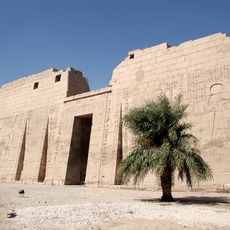
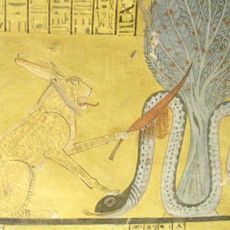
The site takes its name from the sun god whose worship became the sole religion under one pharaoh, and whose representation as a disk with outstretched rays can still be seen on some reliefs. Visitors can recognize on some walls the remains of this imagery, which shows the daily life and rituals of the inhabitants at that time.
The site is best reached in the early morning hours when the sun is not yet too strong and the light is pleasant for viewing. Sturdy footwear is advisable as the ground can be uneven and many paths lead over sandy or stony surfaces.
Archaeologists found workshops here with remains of glass beads and jewelry, indicating that craftsmen worked in this quarter. Some of these finds show colors and techniques that were no longer used in other Egyptian cities later.
The community of curious travelers
AroundUs brings together thousands of curated places, local tips, and hidden gems, enriched daily by 92,183 contributors worldwide.