Medinet Habu, Archaeological site near Theban Hills, Egypt
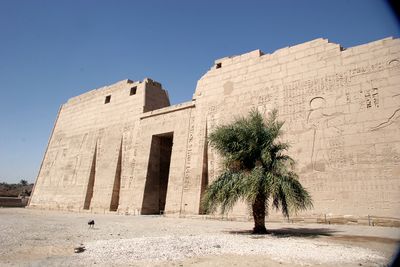
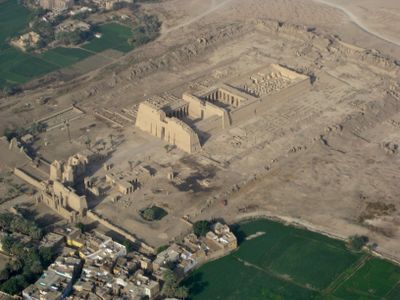
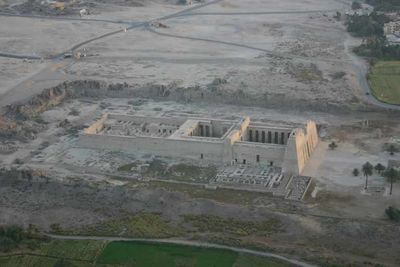
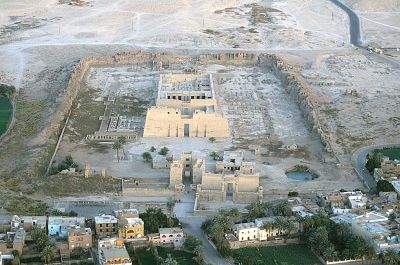
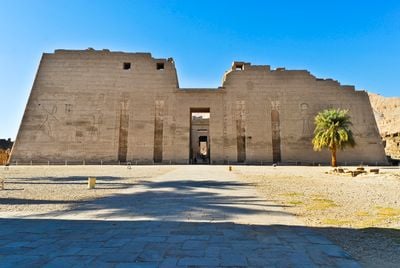
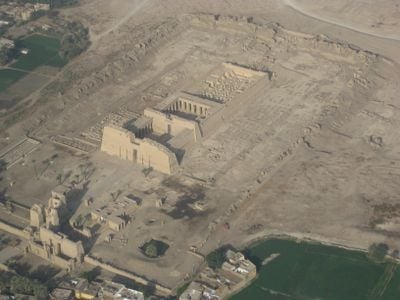
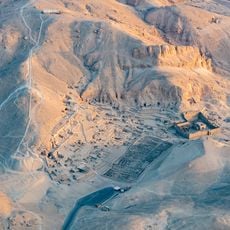
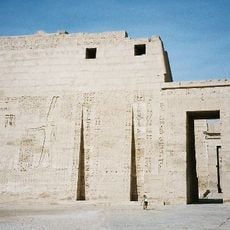
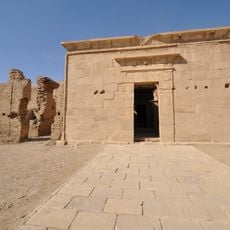
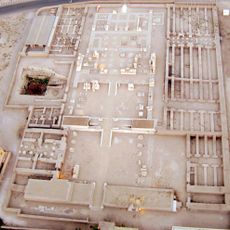
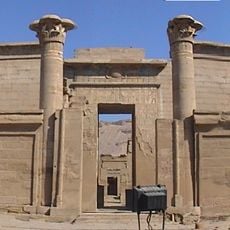
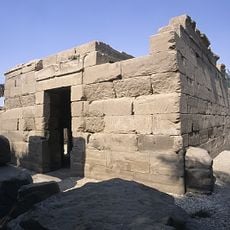
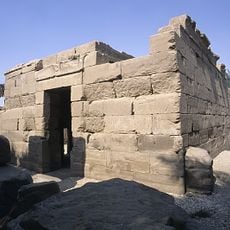
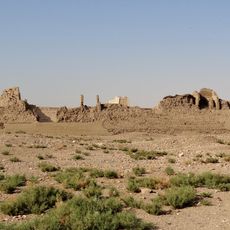
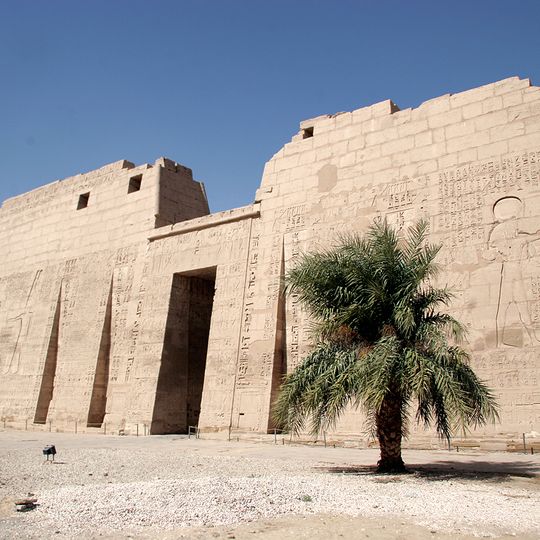
Medinet Habu is a temple complex on the west bank of the Nile near Luxor, featuring courtyards, halls, and towering gateways. The outer mudbrick walls enclose several structures, including a main sanctuary with decorated columns and passageways.
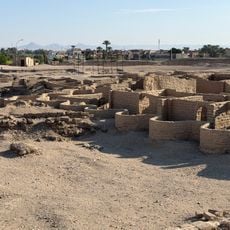
Ramses III built the temple in the 12th century BCE to celebrate his reign and serve as a place of worship. Coptic Christians later settled within its walls, turning parts of the complex into homes and a church.
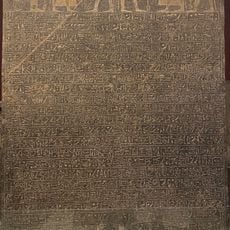
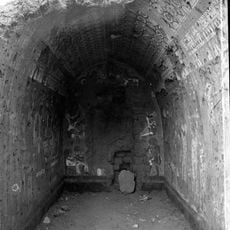
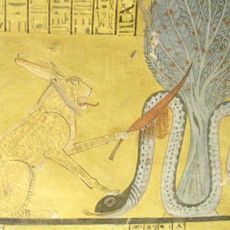
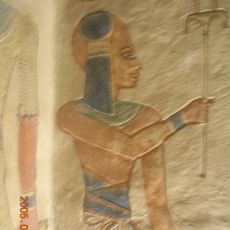
The Arabic name refers to the town that grew here centuries after the pharaonic era, when Coptic Christians settled within the temple walls. Visitors today walk through halls where carved scenes show processions, offerings, and battles, giving a direct view into royal ritual and power.
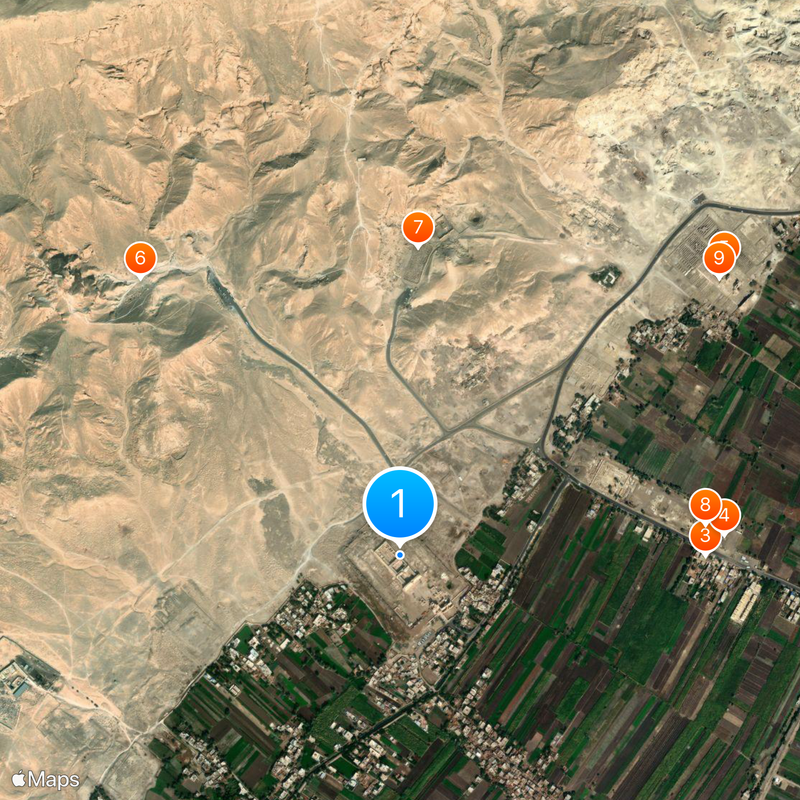
The complex sits away from the main tourist routes and tends to be quieter in the morning hours. Paths are mostly level but can be uneven in places, so comfortable shoes help when walking through the site.
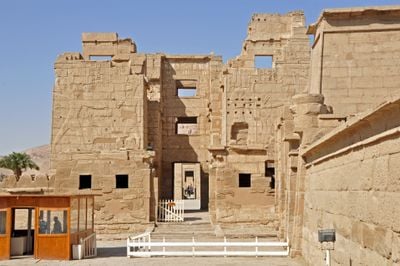
The tall fortified walls still show traces of watchtowers at the corners, giving the temple the look of a defended stronghold. Upper rooms within the entrance gates once housed guards or priests, adding a military dimension to the sacred space.
The community of curious travelers
AroundUs brings together thousands of curated places, local tips, and hidden gems, enriched daily by 92,839 contributors worldwide.