Valley of the Queens, Ancient burial site in Luxor Governorate, Egypt.
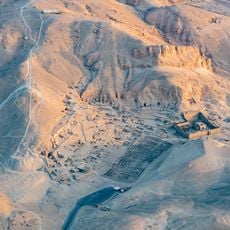
The Valley of the Queens is a necropolis with about 91 tombs carved into limestone cliffs on the west bank of the Nile near Luxor. These burial chambers contain corridors and rooms where queens, princes, and officials were laid to rest.
Burials in the valley began around 1560 BC, and the earliest tomb is likely that of Princess Ahmose, a daughter of Seqenenre Tao and Queen Sitdjehuti, dating to the reign of Thutmose I. In the 19th Dynasty the site became reserved for royal women, and the tomb of Queen Satre (QV 38) was probably the first prepared then, started under Ramesses I and finished under Seti I. Use continued into the 20th Dynasty, when tombs were made for the wives of Ramesses III and, unusually, for royal sons; the Turin Papyrus records six tombs from the reign of Ramesses VI. After the 20th Dynasty the valley was no longer a royal burial site.
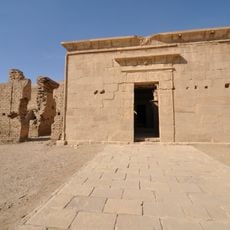
The ancient name Ta-Set-Neferu means both "Place of Beauty" and "Place of the Royal Children". In the Valley of the Dolmen, a rock-cut temple was dedicated to Ptah and Meretseger, and the Valley of the Rope is named for Coptic ropes found there. The ruins of Deir el-Rumi, a Coptic monastery, stand in the Valley of the Three Pits.
Access to some tombs is limited because restoration work continues and not all chambers are open to visitors. It helps to walk the site early in the morning to avoid heat and get better light inside the dark burial chambers.
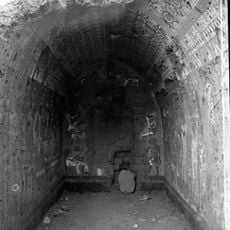
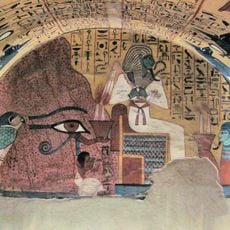
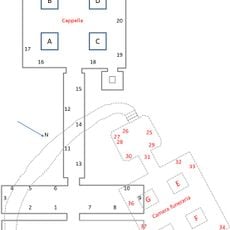
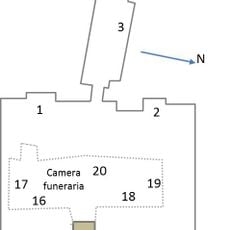
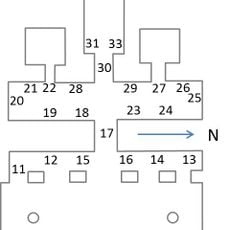
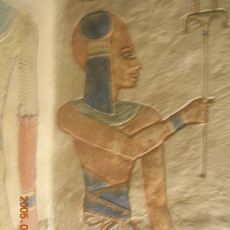
Nefertari's tomb (QV 66) was found by Ernesto Schiaparelli and Francesco Ballerini in 1903, during the first systematic excavation of the valley. Its paintings give the figures relief for the first time in Theban tomb art, with shading on the queen's cheekbones and at the corners of her lips.
The community of curious travelers
AroundUs brings together thousands of curated places, local tips, and hidden gems, enriched daily by 94,050 contributors worldwide.