Temple of Deir el-Medina, Ptolemaic temple in Luxor, Egypt
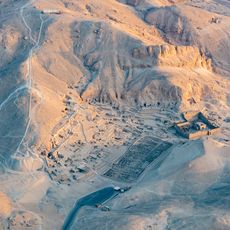
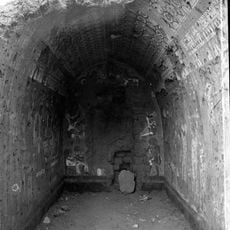
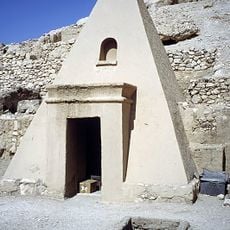
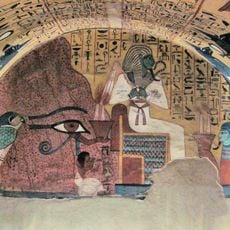
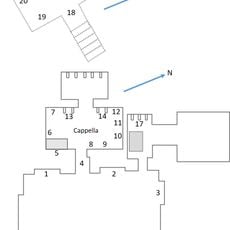
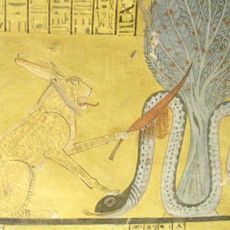
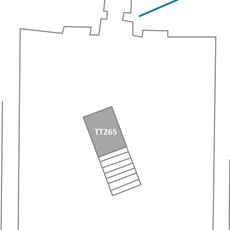
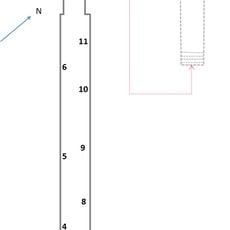
The Temple of Deir el-Medina is a modest structure from the Ptolemaic period with a footprint of roughly 10 by 15 meters and walls covered in colored hieroglyphic texts and religious scenes. The painted surfaces still display vibrant colors and detailed images that convey religious and daily life imagery from ancient Egypt.
The structure was built during the Ptolemaic era in the 3rd century BC under Greek-influenced Egyptian rule. Later, Christian communities repurposed the building for monastic life, showing how ancient sites shifted to serve different belief systems.
The temple served the spiritual needs of local workers who passed through this site regularly in their daily lives. The religious scenes painted on the walls show goddesses that held meaning for people focused on truth, justice, and cosmic balance.
The site sits about one kilometer from the main road heading toward the Valley of the Queens and is reached on foot via a paved slope. Sturdy footwear helps as you walk uphill to reach this quieter location away from the main tourist routes.
The temple displays judgment scenes in its artwork, a type of imagery more commonly seen in tomb chambers, which reveals an uncommon link between temple and burial art. This choice shows how spiritual evaluation was woven into the daily religious life of the people who used this space.
The community of curious travelers
AroundUs brings together thousands of curated places, local tips, and hidden gems, enriched daily by 60,000 contributors worldwide.