Ramesseum, Egyptian memorial temple in Luxor, Egypt
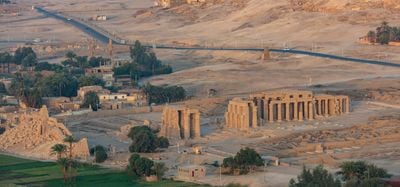
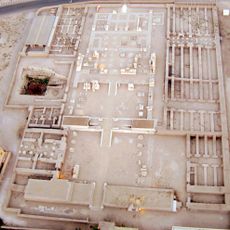
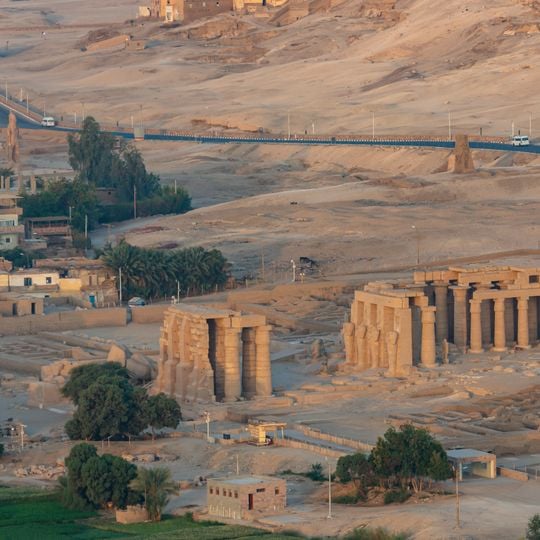
The Ramesseum is the memorial temple of Ramesses II in the Theban Necropolis, on the west bank of the Nile opposite Luxor. It covers about 10 hectares and follows the New Kingdom plan: two stone pylons lead into courtyards, then a 48-column hypostyle hall surrounds the sanctuary. In the first courtyard lie fragments of a syenite colossus of the enthroned king, 16–19 m tall and estimated at 1,000 tonnes.
The temple was built under Pharaoh Ramesses II in the 13th century BC and served as his mortuary monument after his death. Its construction reflects the power and resources of ancient Egypt during that era.
The temple walls display scenes of royal life and religious rituals that remain visible today. These carvings show how ancient Egyptians worshipped their gods and portrayed their rulers to future generations.
The temple is located on the west bank of the Nile and visits are best in early morning to avoid midday heat. Bring water and wear protective clothing since the site has limited shade.
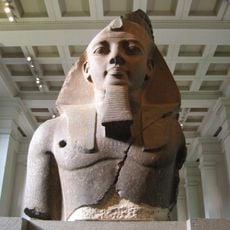
The colossus at the first courtyard was carved from syenite, not granite, and was hauled about 220 kilometres from its quarry. Known as "Sun of the princes", it stood 16–19 metres tall and weighed an estimated 1,000 tonnes; only its base and torso fragments survive.
The community of curious travelers
AroundUs brings together thousands of curated places, local tips, and hidden gems, enriched daily by 93,605 contributors worldwide.