El-Assasif, Ancient necropolis in Luxor Governorate, Egypt.
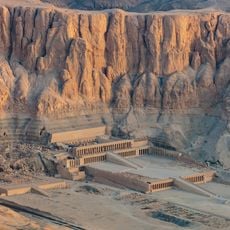
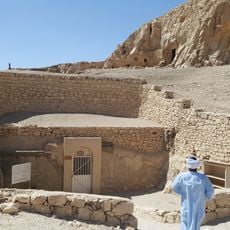
El-Assasif is an archaeological site with multiple burial chambers located in a dry valley on Luxor's West Bank, positioned between the riverbank and Deir el-Bahari. The site contains hidden underground rooms filled with painted wooden coffins and remains of people from different social classes.
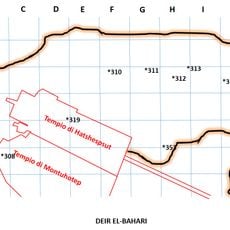
El-Assasif's earliest remains belong to the causeway of Mentuhotep II, a processional road about 960 m long and 46 m wide leading to his temple at Deir el-Bahari. The 11th Dynasty, with its saff tombs, is counted as the site's first flourishing. Thutmosis III later cut his own 32.5 m-wide causeway through the plain, trimming the ridge and some older tombs. In May 2025 a joint Egyptian-Canadian mission identified the owner of tomb Kampp 23 as Amun Mes, mayor of Thebes.
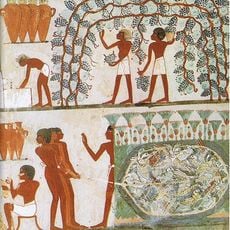
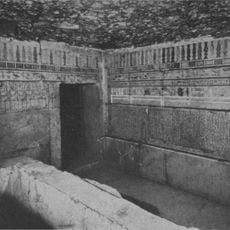
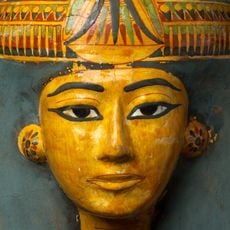
The coffins found here display painted surfaces, hieroglyphs, and references to the Book of the Dead that show how ancient Egyptians imagined the afterlife. These carvings and paintings give visitors a direct look at religious beliefs that existed thousands of years ago.
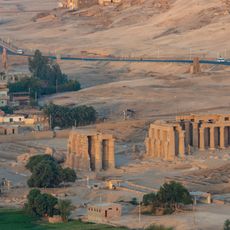
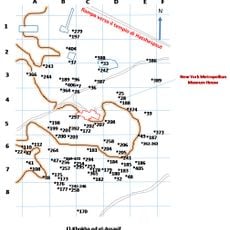
El-Assasif lies in the dry bay between the Dra' Abu el-Naga necropolis and the plain below Deir el-Bahari, reached from the West Bank road to the Hatshepsut Temple. The plain is open ground with rock-cut tomb entrances, and the processional causeways of Mentuhotep II and Hatshepsut crossed it. Several tombs, including TT33 and TT34, are closed for excavation and restoration, so check locally which are open.
The site holds the tomb of Padiamenope, a particularly impressive monument that extends approximately 30 meters below ground level. The walls of this burial chamber are inscribed with passages copied from sacred Egyptian texts.
The community of curious travelers
AroundUs brings together thousands of curated places, local tips, and hidden gems, enriched daily by 94,024 contributors worldwide.