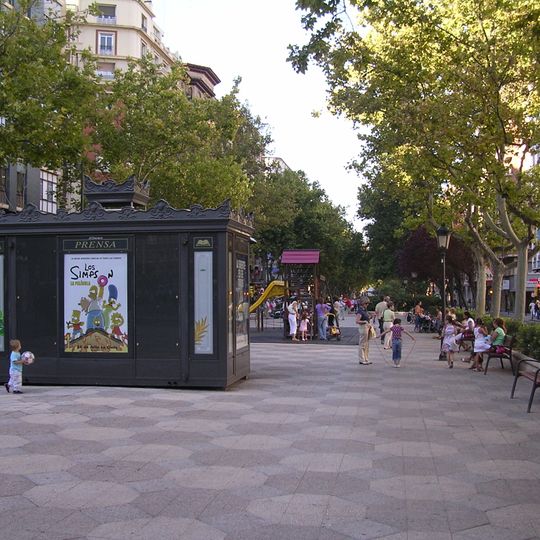
Gran Vía, street in Zaragoza
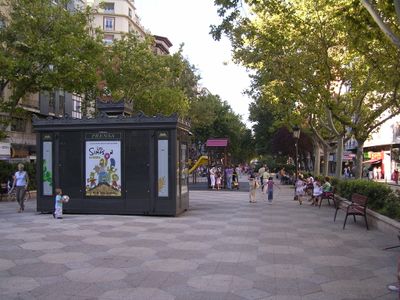
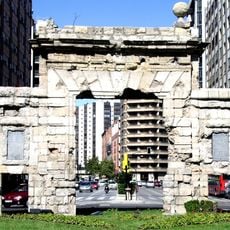
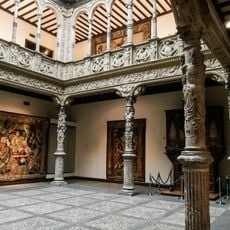
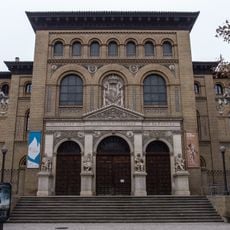
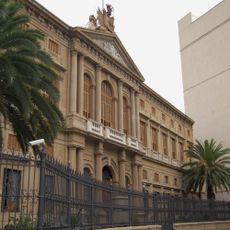
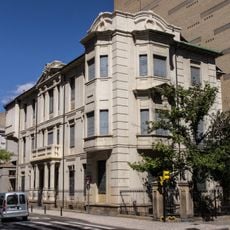
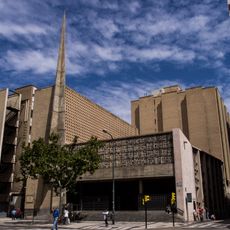
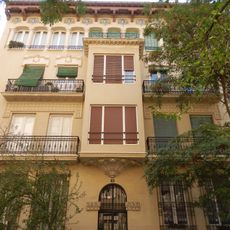
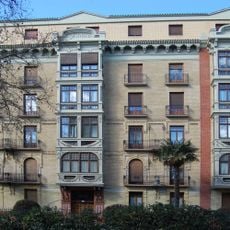
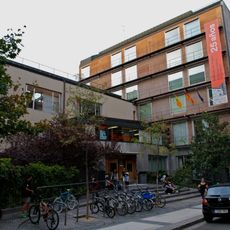
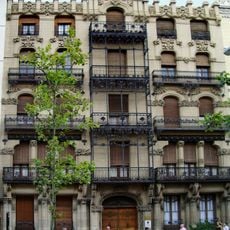
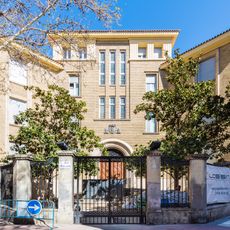
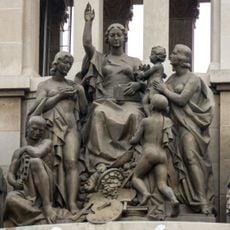
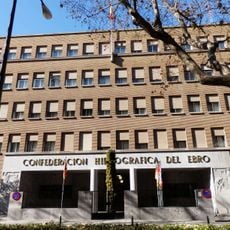
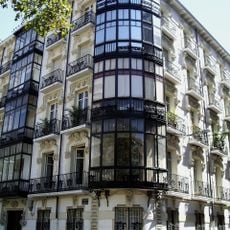
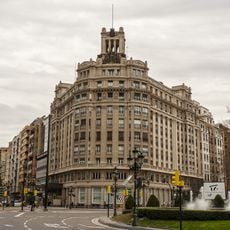
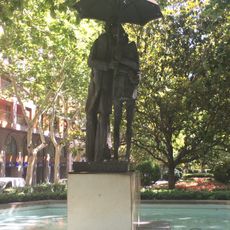
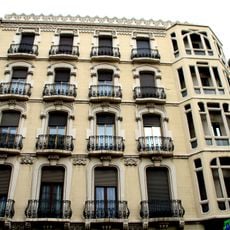
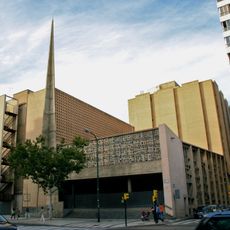
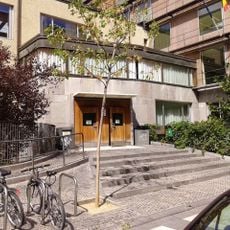
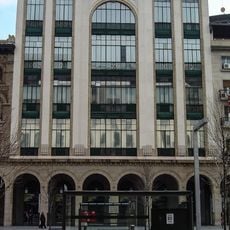
Gran Vía is a wide pedestrian avenue in Zaragoza stretching from Plaza Paraíso to Avenida Goya, forming an important north-south connection for the city. The street features a spacious central area for pedestrians, bicycle lanes, tram lines, and is lined with buildings from different periods, including the University's Paraninfo and the classical Elíseos building with its bronze Ahorro sculpture.
The street was planned in 1906 to modernize Zaragoza and connect different neighborhoods, requiring the Huerva River to be partially covered. Construction began in 1925, creating a 40 meter wide avenue about 1.5 kilometers long, known under various names including Avenida de la Libertad and Paseo Pablo Iglesias before being renamed in 2022 to honor scientist Ramón y Cajal.
The street honors Santiago Ramón y Cajal, a Nobel Prize winner and important scientist from the region, reflecting its strong connection to Zaragoza's academic history. The avenue itself functions as a gathering place where residents and visitors daily walk, shop, and sit in cafes, shaping the urban culture of the city.
The street is easy to explore on foot and offers many seating areas, cafes, and shops for resting during your visit. With excellent bicycle lanes and clear signage, visitors can easily navigate the entire length while discovering various historic buildings and artworks along the way.
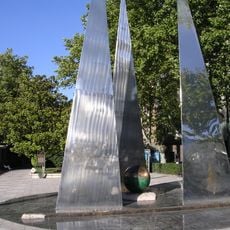
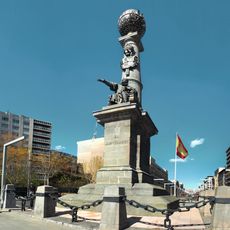
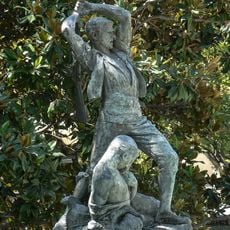
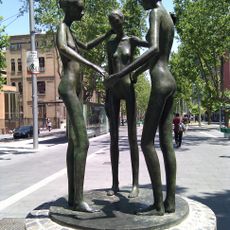
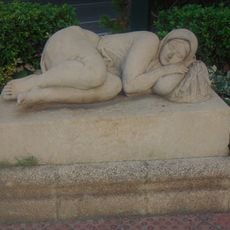
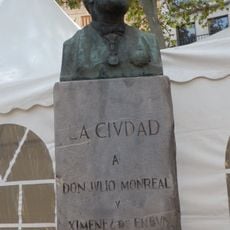
The street hosts several public artworks, including 'The Wave and the Monster' by a Valencian artist, a 1963 work that many visitors overlook. This lesser-known sculpture demonstrates Zaragoza's artistic creativity and invites walkers to rediscover the street from an artistic perspective.
The community of curious travelers
AroundUs brings together thousands of curated places, local tips, and hidden gems, enriched daily by 91,942 contributors worldwide.