Monasterio de San Román de Hornija, Benedictine monastery in San Román de Hornija, Spain
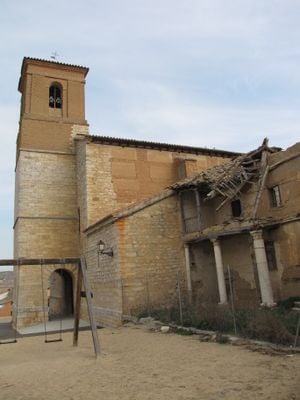
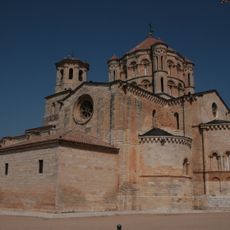
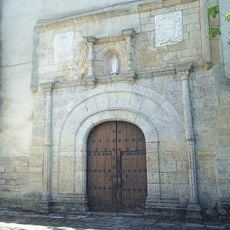
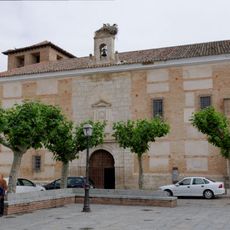
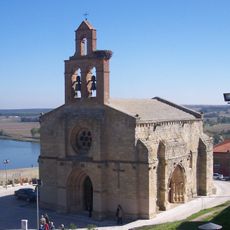
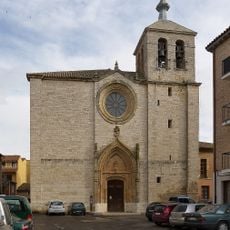
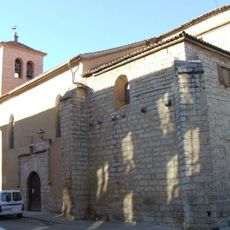
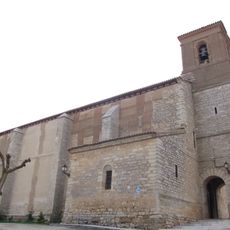
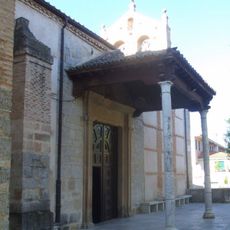
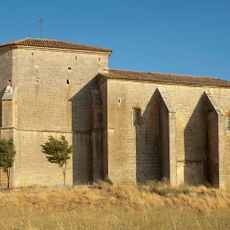
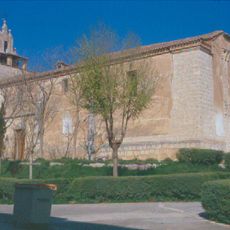
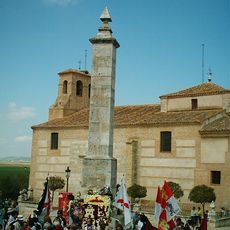
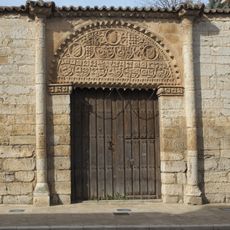
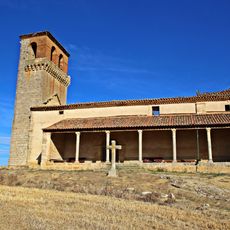
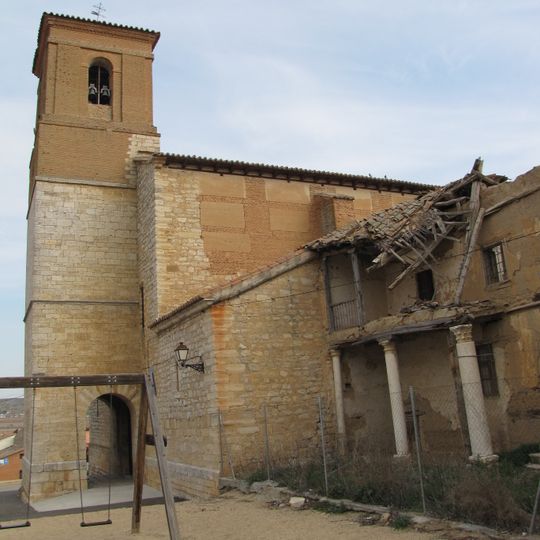
Monasterio de San Román de Hornija is a Benedictine monastery with a portico supported by five marble columns featuring Tuscan and Corinthian capitals attached to the present parish church. The building combines Romanesque and early medieval architecture with later modifications that reflect its multi-layered history.
King Chindasvinto commissioned Saint Fructuosus to establish this monastery in 646, selecting it as his final resting place with his wife Reciberga. The complex developed over centuries, documenting its importance through records preserved from 1490 through 1801.
The name comes from San Román, a Christian saint, and the chapel displays ancient Mozarabic capitals and medieval architectural elements from different periods. Visitors can see these stone works in a small museum inside the sacred space and recognize the craftsmanship of past ages.
The monastery is best visited during daytime when natural light illuminates the stonework and small museum well. A short time allows for a calm walk through the portico and chapel for most visitors.
Two large capitals inside the church were repurposed as holy water fonts, with one possibly being the original temple dedication stone. This practical transformation shows how earlier architectural elements received new uses over time.
The community of curious travelers
AroundUs brings together thousands of curated places, local tips, and hidden gems, enriched daily by 92,156 contributors worldwide.