Porta Fontinalis, Ancient city gate at Capitoline Hill, Rome, Italy
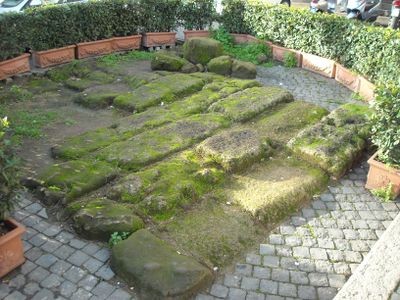
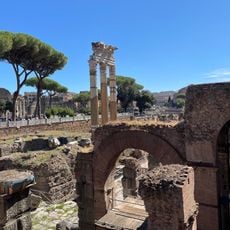
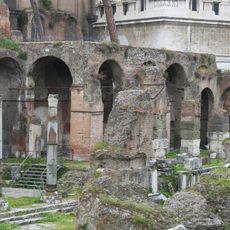
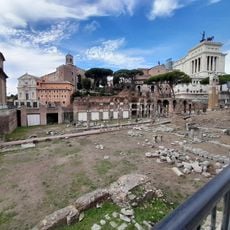
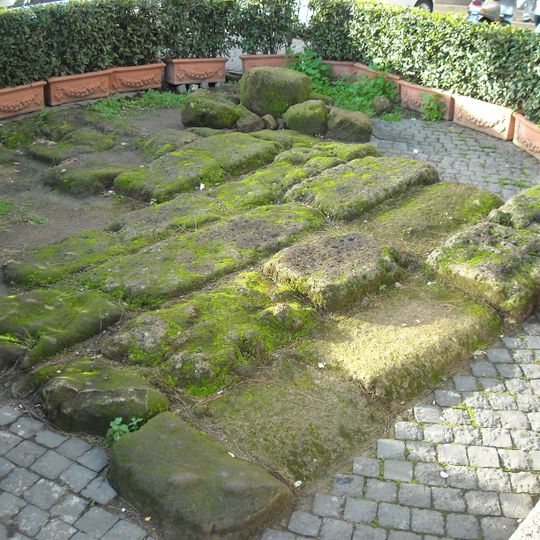
Porta Fontinalis is an ancient city gate located at the base of the Capitoline Hill, marking a passage through the Servian Wall near the Clivus Argentarius. The gate functioned as a key entry point in Rome's early defensive system, controlling movement between the sacred hill and the lower city.
The gate formed part of the Servian Wall, one of Rome's earliest defensive structures. In 193 BC, Marcus Aemilius Lepidus and Lucius Aemilius Paullus built a portico connecting it to the Altar of Mars on the Campus Martius, highlighting its strategic importance.
The gate takes its name from the springs and fountains that surrounded it, reflecting worship of Fontus, the Roman god honored during October celebrations. Visitors can observe how ancient Romans connected geographic features to their religious beliefs through such place names.
The site is easily accessible at the base of the Capitoline Hill near modern Via del Campidoglio. Visitors should explore the surrounding area carefully since the ancient remains are integrated into the current street layout rather than existing as a separate enclosed site.
A prominent Roman politician, Gnaeus Calpurnius Piso, once constructed private structures above the gate to connect his residences. The Senate later ordered their demolition as punishment, preventing private encroachment on this public passage.
The community of curious travelers
AroundUs brings together thousands of curated places, local tips, and hidden gems, enriched daily by 90,809 contributors worldwide.