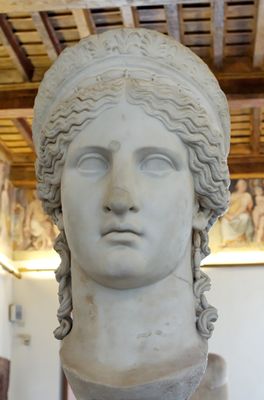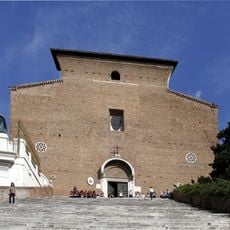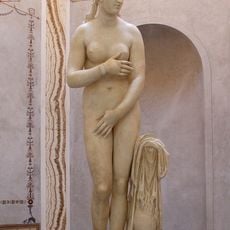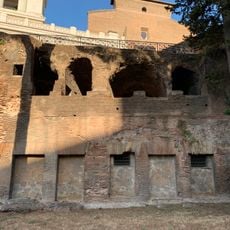
Temple of Juno Moneta, Roman temple on Capitoline Hill, Italy
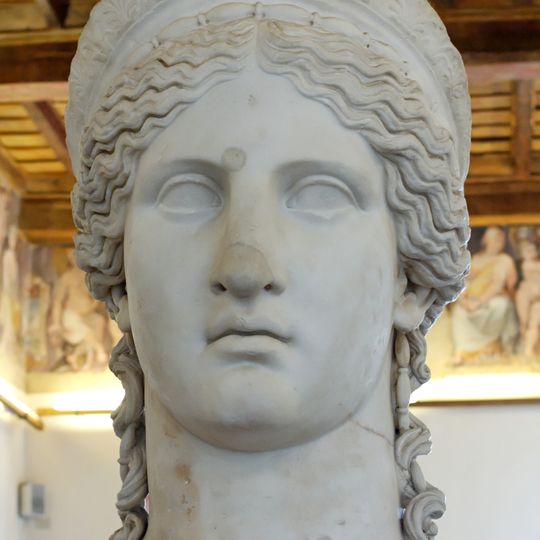
The Temple of Juno Moneta was a Roman sanctuary on Capitoline Hill that served as both a place of worship and a storage facility for the state treasury. The building functioned as Rome's main mint for over four centuries, producing coins until Emperor Domitian relocated operations elsewhere.
Construction was announced in 384 BCE and the building was dedicated in 344 BCE on the site of Manlius Capitolineus's former residence. This location became the center of Roman currency production and financial administration.
The temple housed sacred geese that, according to Roman tradition, warned citizens of a Gallic attack in 390 BCE and became symbols of watchfulness. These birds held special importance in the religious life of the site.
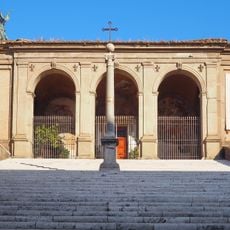
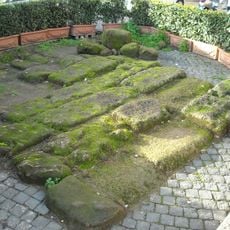
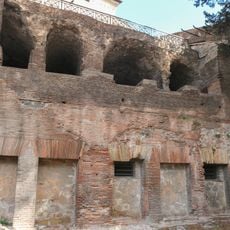
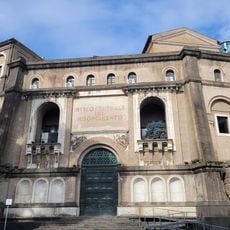
The site sits on Capitoline Hill in Rome and is partially accessible today, though many sections have been destroyed or built over. Visitors should expect limited visible remains and will benefit from learning the history beforehand.
The name "Moneta" is widely believed to be the origin of modern words like "money" and "monetary" in numerous languages. This linguistic connection reveals how deeply this site shaped Roman financial terminology.
The community of curious travelers
AroundUs brings together thousands of curated places, local tips, and hidden gems, enriched daily by 91,874 contributors worldwide.