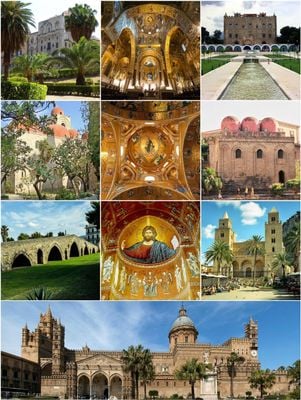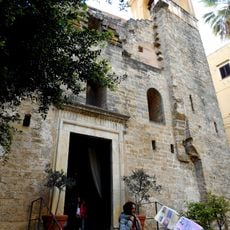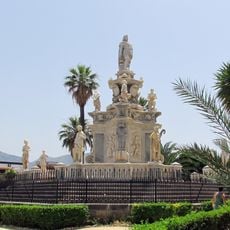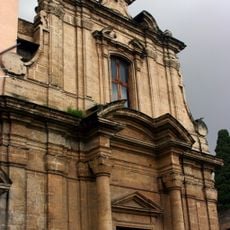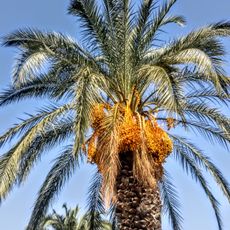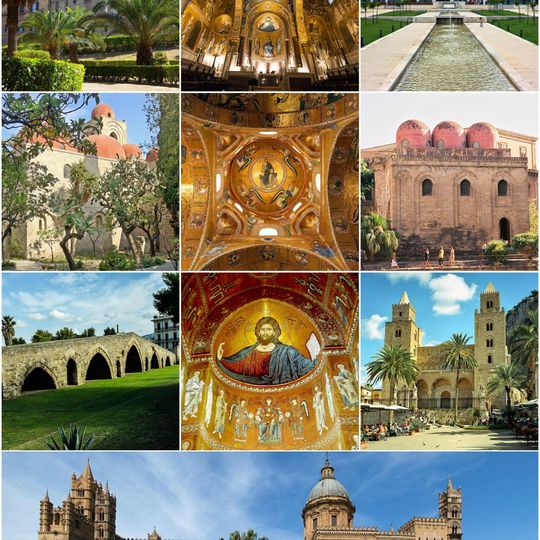
Arab-Norman Palermo and the Cathedral Churches of Cefalú and Monreale, UNESCO World Heritage Site in Palermo, Sicily, Italy
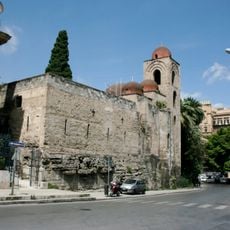
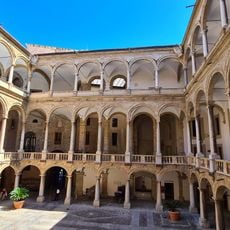
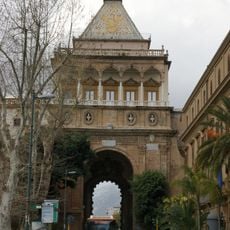
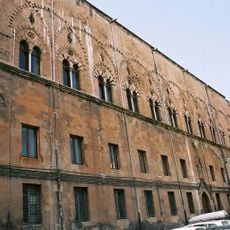
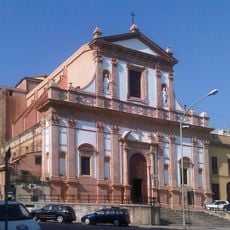
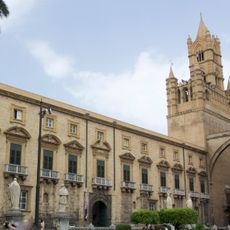
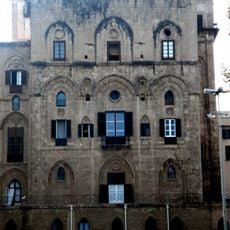
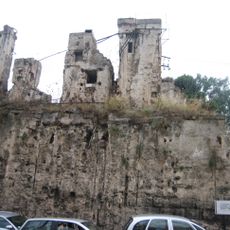
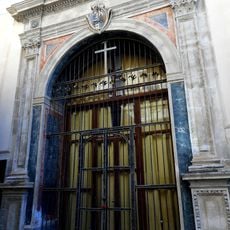
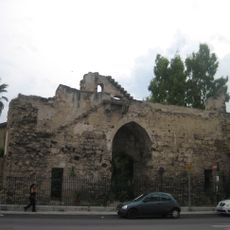
The Arab-Norman structures of Palermo and the cathedrals of Cefalú and Monreale form a group of nine buildings that combine Norman, Arab, and Byzantine features. They include palaces, churches, and cathedrals decorated with mosaics, marble work, and painted wooden ceilings.
These structures were built during the Norman Kingdom of Sicily from 1130 to 1194, when rulers blended elements from different civilizations into a new architectural language. This era shaped a singular building style that reflected the cultural diversity of the region.
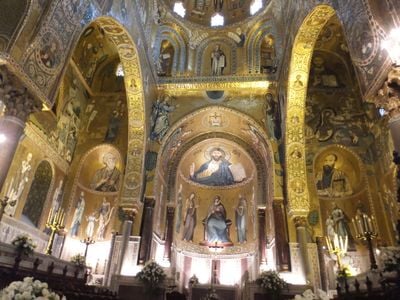
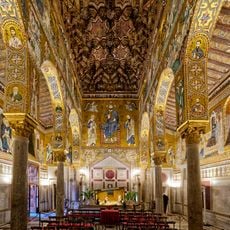
The mosaics and marble work across these buildings show how Norman, Arab, and Byzantine artisans collaborated to create something new. Walking through the spaces, visitors notice this mixing of styles in every detail on walls and ceilings.
Exploring all nine locations requires several days, especially if visiting the chapel and the large cathedral. It helps to check ahead which sites are currently open and whether advance tickets are needed.
The Royal Palace contains a chapel with a wooden ceiling painted with scenes of daily life, animals, and geometric patterns. This rare ceiling design shows skilled details rarely found in other European churches of that era.
The community of curious travelers
AroundUs brings together thousands of curated places, local tips, and hidden gems, enriched daily by 91,404 contributors worldwide.