Omotesandō, Shopping district in Tokyo, Japan
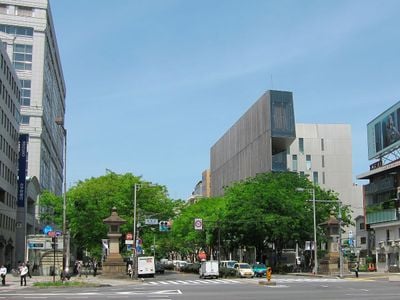
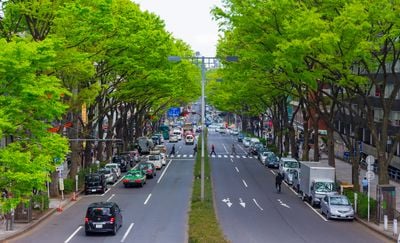
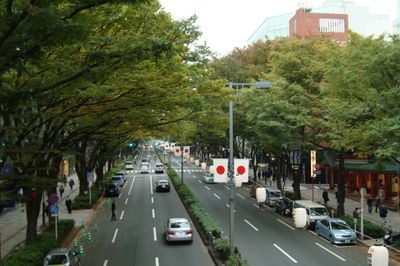
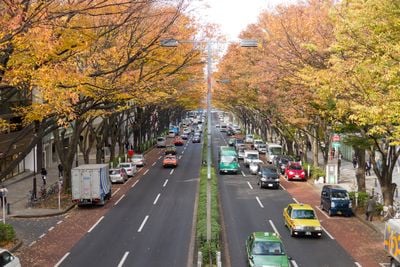
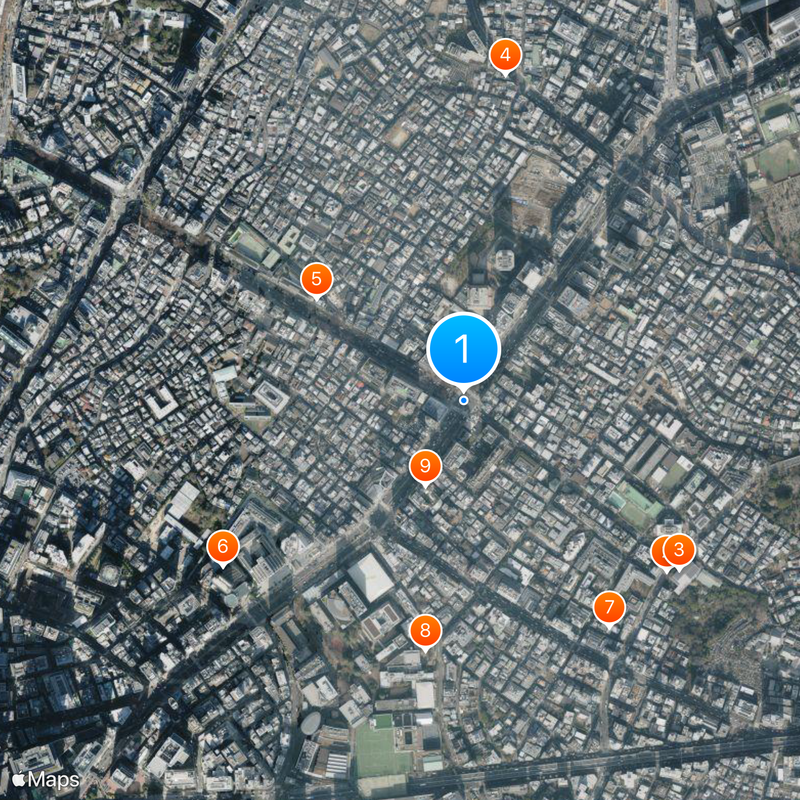
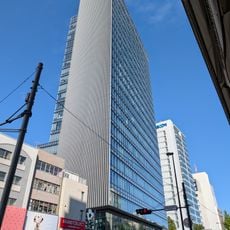
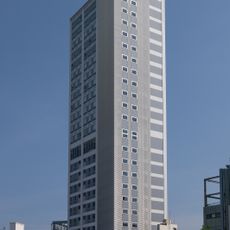
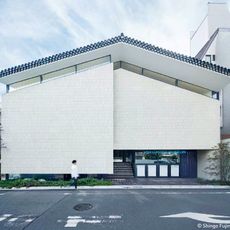
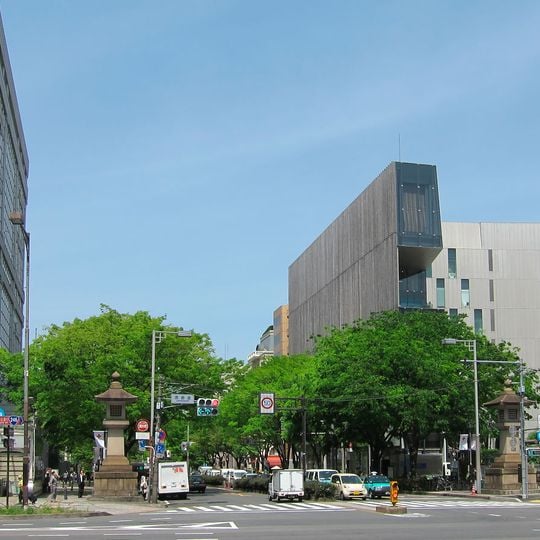
Omotesandō is a wide, tree-lined avenue in the Jingūmae neighborhood of Tokyo that connects Harajuku with Aoyama and serves as an upscale shopping district. Modern glass facades stand alongside lower buildings housing fashion boutiques, designer stores, and restaurants on both sides.
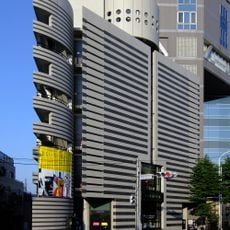
The avenue was created starting in 1919 as a ceremonial path to the Meiji Shrine and later became a preferred location for architects and fashion labels. Over the decades, it transformed from a quiet shrine approach into a densely built commercial and fashion district.
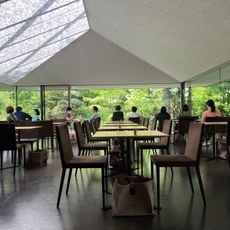
The name means "front approach" and refers to the traditional path leading to the Meiji Shrine, though most visitors now come for the shops and cafes. Japanese designers and international brands share the street, while locals stroll between storefronts or sit at outdoor terraces on weekends.
Three subway and rail stations provide access from different parts of the city, with Harajuku at the western end and Omotesando in the middle. Sidewalks and stores fill early on weekends, so weekday mornings and evenings offer quieter conditions.
The zelkova trees lining the avenue were planted during its construction and now form a continuous canopy over the entire street length. Many of the modern buildings feature publicly accessible roofs or terraces that offer additional views above the treetops.
The community of curious travelers
AroundUs brings together thousands of curated places, local tips, and hidden gems, enriched daily by 92,783 contributors worldwide.