1854 Ansei-Nankai earthquake, Major seismic event near Nankai Trough, Japan
The 1854 Ansei-Nankai earthquake was a massive seismic event along the Nankai Trough off Japan's coast, measuring 8.4 in magnitude. The resulting tsunami reached central and southwestern Japanese coastlines with considerable force.
The earthquake struck on December 24, 1854, and was part of a series of three major seismic events during the Ansei period. It occurred just one day after the Tokai earthquake.
The event is named after the Ansei era, a period when Japan experienced multiple major seismic shocks in quick succession. Local stories from that time continue to influence how communities in the region think about natural disasters today.
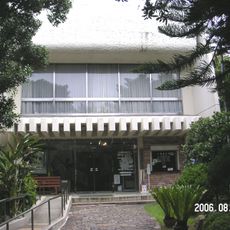
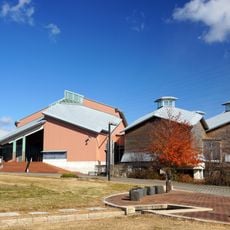
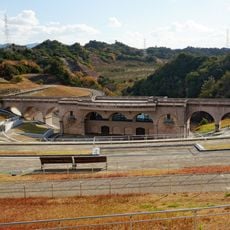
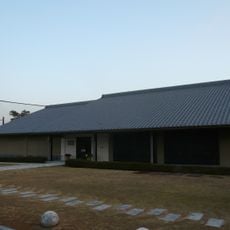
Researchers and interested visitors can access historical records and archives that document detailed information about the event's impact across multiple regions. Museums in the affected areas now display exhibits about the earthquake and modern tsunami warning systems.
A villager named Goryo Hamaguchi saved his community by lighting fires in rice straw to warn and guide people to higher ground. This true story was later documented by writer Lafcadio Hearn and remains a remarkable example of quick thinking during a natural disaster.
The community of curious travelers
AroundUs brings together thousands of curated places, local tips, and hidden gems, enriched daily by 91,592 contributors worldwide.