Shumarinai Prefectural Natural Park, Prefectural natural park in Hokkaido, Japan
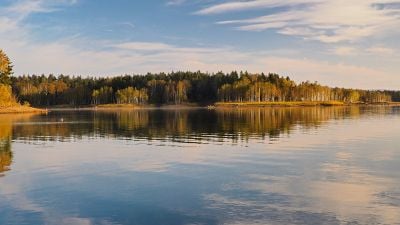
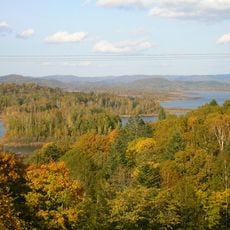
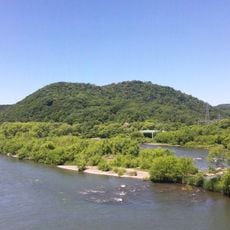
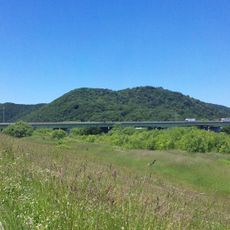
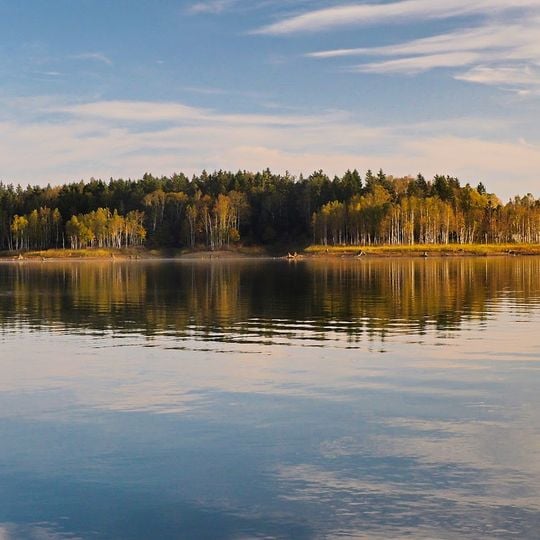
Shumarinai Prefectural Natural Park is a protected natural area in northern Hokkaido, covering parts of several towns including Horokanai, Shibetsu, Embetsu, and Haboro. At its center sits Lake Shumarinai, an artificial lake with fjord-like inlets and more than a dozen small islands, surrounded by forests of spruce, fir, and birch.
Lake Shumarinai was formed in 1943 when a dam was built on the Uryu River, creating what was then the largest reservoir in Japan. The park itself was officially designated in 1974 to protect the surrounding forests and lakes.
The Sakhalin taimen, a rare migratory fish, still lives in the lake and is seen locally as a sign of clean water. Walking along the shore, visitors may also spot the Blakiston's fish-owl, one of the rarest owls in the world, hunting near the water's edge.
A car is almost essential to reach the park, as public transport in this area is very limited. Roads can close during heavy snowfall in winter, so checking local conditions before setting out is a good idea.
The lake's fjord-like shape came about because water flooded the valleys between hills when the reservoir was filled, leaving natural peninsulas and inlets behind. Some of the small islands on the lake are floating peat islands that rise and fall slightly with the water level.
The community of curious travelers
AroundUs brings together thousands of curated places, local tips, and hidden gems, enriched daily by 91,997 contributors worldwide.