1946 Nankai earthquake, Major earthquake in Nankaidō, Japan
The 1946 Nankai earthquake was a major seismic event that struck the Nankaidō region and affected large areas across Japan. It ranks among the most powerful tremors recorded in this seismically active zone and left lasting impacts on the country's geology and construction practices.
The event occurred on December 21, 1946, resulting from the release of tension along the Nankai fault. Since then it has served scientists as a key reference case for understanding these regularly occurring megathrust earthquakes.
This event influenced the development of Japanese earthquake monitoring systems and led to modifications in construction methods across the affected regions.
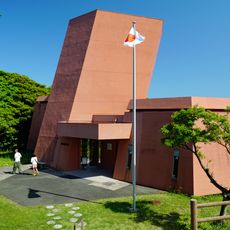
Data and findings from this earthquake are documented in museums and seismic research centers that offer visitors insight into its impacts. Many of these institutions display how Japan's response to earthquake risk has evolved over time.
Seismic measurements revealed unusual geological structures beneath the rupture zone, later identified as a subducted seamount. This discovery helped researchers better understand the mechanics of these powerful earthquakes.
The community of curious travelers
AroundUs brings together thousands of curated places, local tips, and hidden gems, enriched daily by 90,751 contributors worldwide.