Mushikui-iwa, Natural monument in Kozagawa, Japan
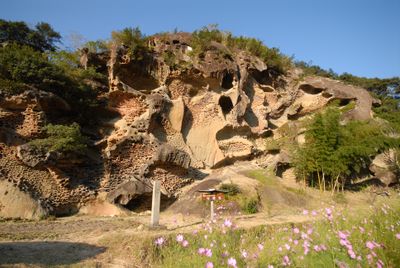
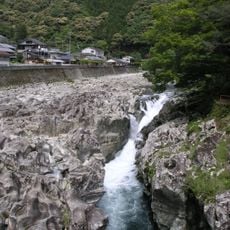
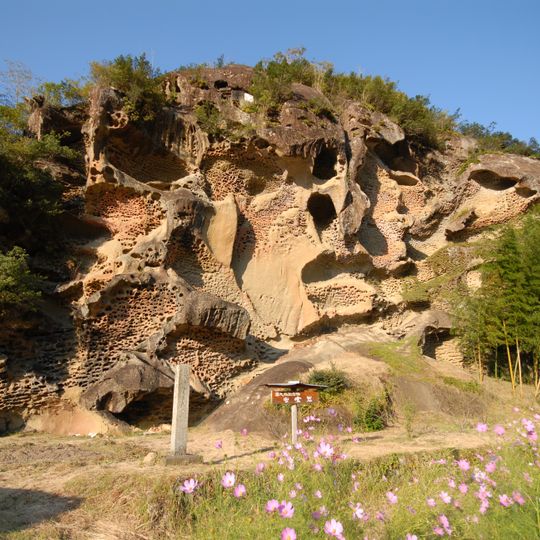
Mushikui-iwa is a rock formation in Kozagawa displaying numerous holes across its surface caused by wind and rain erosion of rhyolitic volcaniclastic rock. The face of the stone shows a distinctive pitted pattern created over long stretches of time through natural weathering.
The rock belongs to the Kozagawa arc-shaped dike, representing the underground section of the Kumano Caldera that formed approximately 15 million years ago. This geological feature marks a significant layer in the region's deep history.
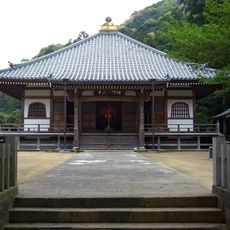
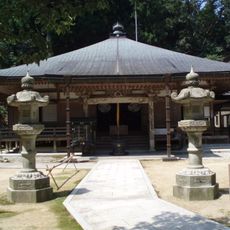
Local tradition tells of visitors finding pebbles with natural holes at this formation and threading them on string to seek healing for ear problems at the Kannon-Do shrine. This practice shows how people have woven the rock into their spiritual life over time.
A roadside station near the formation offers parking, restrooms, and basic facilities for visitors. Stop here to access the rock and explore the surrounding area at your own pace.
The rock displays tafoni patterns, a rare formation created when surface evaporation causes mineral changes that make rock layers separate and peel away. Few visitors realize they are looking at this specific type of weathering process.
The community of curious travelers
AroundUs brings together thousands of curated places, local tips, and hidden gems, enriched daily by 92,842 contributors worldwide.