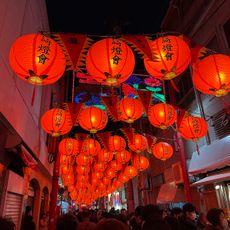
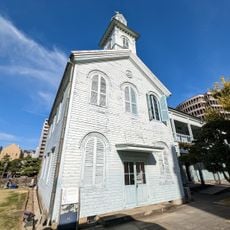
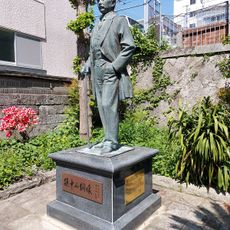
Tōjin Yashiki, Chinese trading compound in Nagasaki, Japan
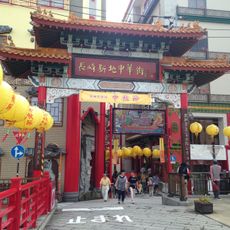
Tōjin Yashiki was an enclosed trading post where Chinese merchants conducted business and lived during Japan's period of restricted foreign contact. The compound included residential areas, warehouses, and religious structures that formed a complete settlement for these traders.
This settlement was established in 1689 as a controlled center for Chinese trade with strict oversight by Japanese authorities. This tight regulation continued until Japan's opening in the 19th century transformed the role and significance of the trading post.
The site contained several places of worship that reflected the spiritual life of Chinese merchants, including shrines dedicated to sea deities and prosperity gods. These spaces showed how traders blended commerce with their religious traditions.
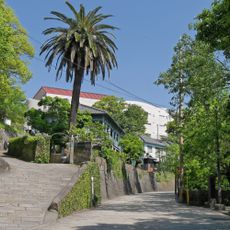
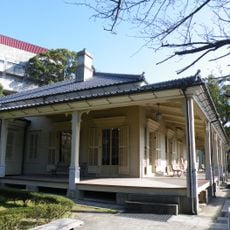
The site operated under strict regulations with access restrictions and limitations for certain visitor groups and length of stay. When exploring today, note that many original structures have disappeared and only a few buildings and reconstructed areas remain visible.
One remarkable remnant is the Fujian Hall, built in 1868, which houses a shrine to Mazu the sea goddess. This building shows how traders maintained their connection to the sea and their homeland despite living in isolation.
The community of curious travelers
AroundUs brings together thousands of curated places, local tips, and hidden gems, enriched daily by 90,740 contributors worldwide.