Twenty-Six Martyrs Museum and Monument, Religious museum in Nagasaki, Japan
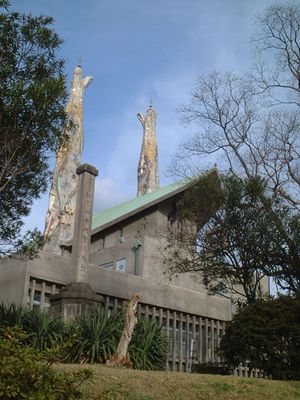
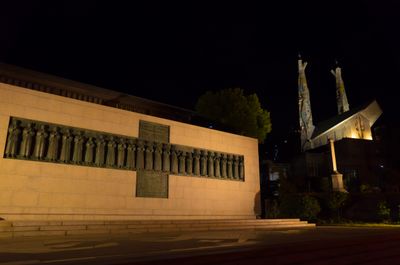
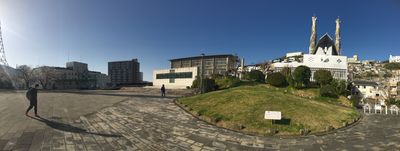
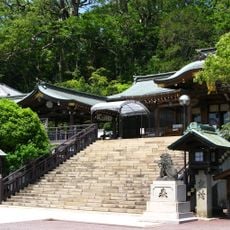
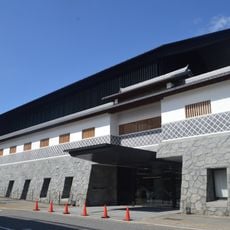
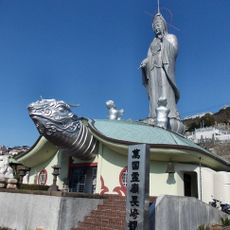
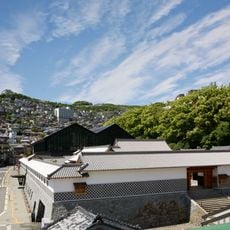
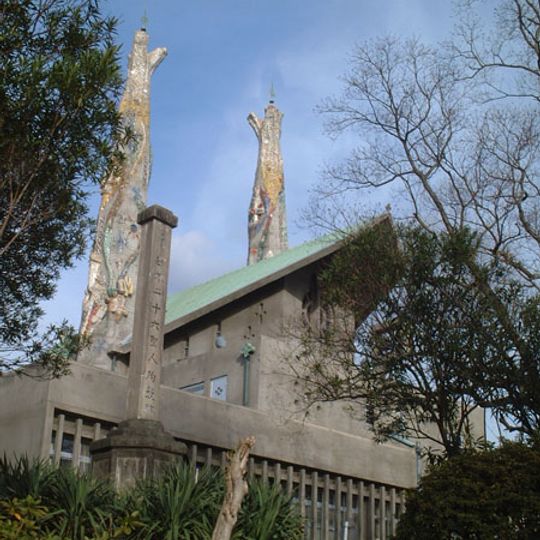
The Twenty-Six Martyrs Museum and Monument is a memorial and museum on Nishizaka Hill in Nagasaki, Japan. A long bronze relief shows the 26 figures at the size of life, with a small chapel and an exhibition building standing behind it.
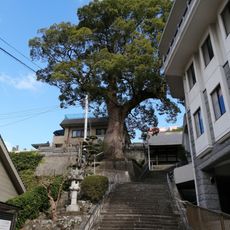
In 1597, a Japanese ruler ordered the execution of 26 Christians, among them three children, on Nishizaka Hill as part of a broad ban on the faith. The museum and monument were opened in 1962, more than three centuries after the execution.
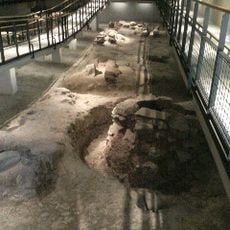
The 26 included 20 Japanese and six foreign priests: four Spaniards, one Mexican and one Portuguese from India. The museum keeps replicas of fumie, bronze images of Christ or Mary that Nagasaki residents were forced to tread on each year from 1629 to 1857 to prove they were not Christians. It also shows statues of the Virgin Mary disguised as Buddhist figures such as Miroku and Kannon, used by hidden Christians.
The site is within walking distance of Nagasaki's main train station, so it fits easily into a visit to the city center. Allow at least an hour to see the outdoor monument and the indoor exhibition at a comfortable pace.
Among the 26 was a 12-year-old boy named Antonio, born in Japan, making him one of the youngest Christian martyrs in the country's history. As the group was marched from Osaka to Nagasaki, their left ears were cut off so that people along the route would know of their punishment.
The community of curious travelers
AroundUs brings together thousands of curated places, local tips, and hidden gems, enriched daily by 94,270 contributors worldwide.