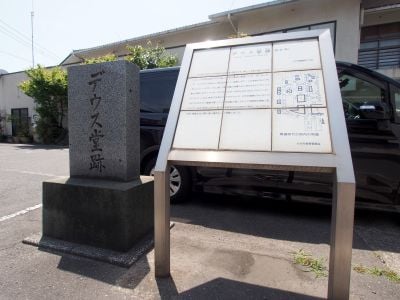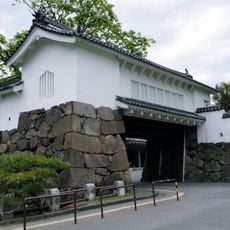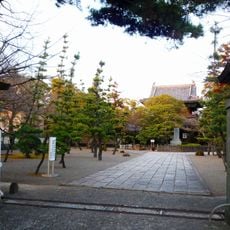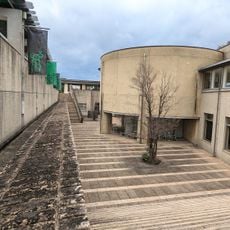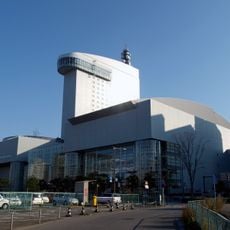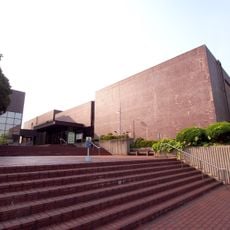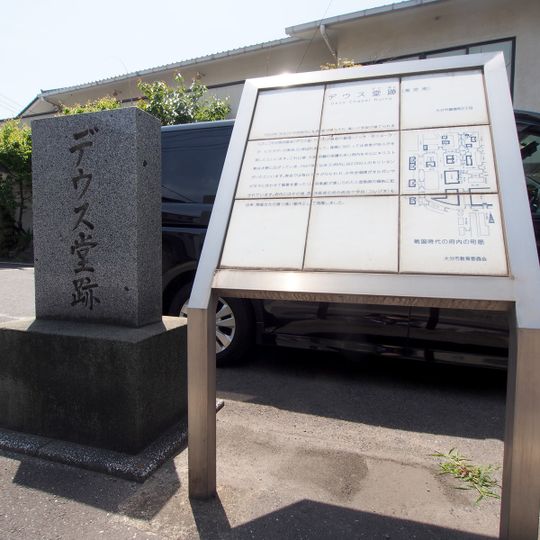
Deusu-dō, Buddhist temple in Kentokumachi, Japan
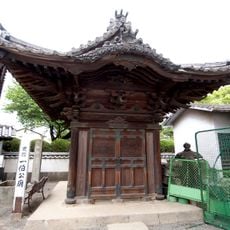
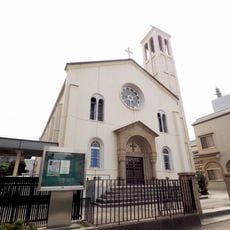
Deusu-dō is a temple in Kentokumachi, Japan, featuring traditional Japanese wooden architecture with curved roofs and intricate wooden beam structures throughout. The building displays an unusual blend of Buddhist and Christian design elements in its overall structure.
The temple was founded in 1553 by Portuguese missionary Balthasar Gago and represents early interactions between Japanese society and European Christian influences. It emerged during the Nanban trade period when such cultural encounters were still uncommon.
The temple blends Buddhist and Christian architectural elements, reflecting the religious exchanges between Japan and European missionaries. Visitors can see this mixture today in the building's design features and layout.
Visitors can reach the temple using local buses from central Kentokumachi, with regular departures throughout the day and increased frequency during religious festivals. The walk from the nearest bus stop to the grounds is short and straightforward to navigate.
The name derives from the Portuguese word 'Deus', making it one of the few religious structures in Japan that directly references European Christian terminology. This is a rare example of how naming reflects the cultural exchange of that era.
The community of curious travelers
AroundUs brings together thousands of curated places, local tips, and hidden gems, enriched daily by 91,956 contributors worldwide.