Funai Castle, Japanese castle in Ōita, Japan
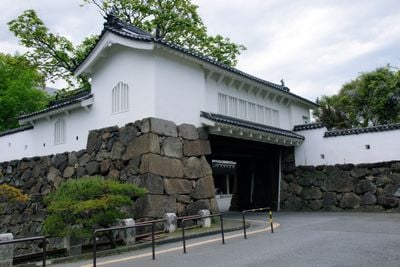
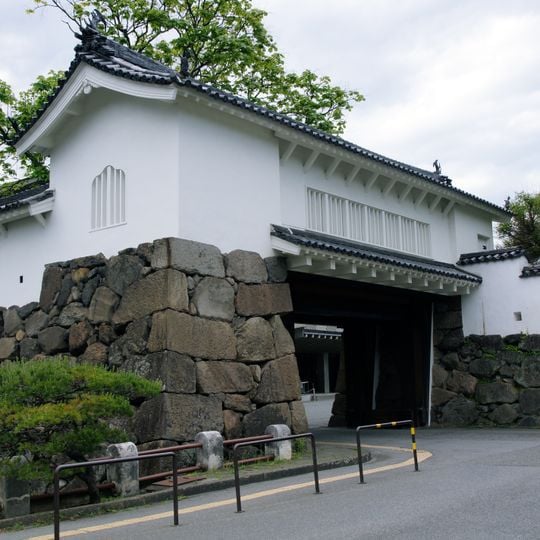
Funai Castle is a fortification in Ōita on the coast of Japan, located directly at the mouth of the Ōita River. The site includes reconstructed wooden gates, massive stone walls, and a wide moat that shows part of the original defense system.
Fukuhara Naotaka began the castle in 1597 at the mouth of the Ōita River, naming it Niage Castle after the port site. Takenaka Shigekata completed it after 1601, and the donjon burned in 1743 and was never rebuilt. The castle was not abandoned in the Meiji era: it became the seat of the prefectural government in 1872.
The name Funai comes from the medieval town of Funai that grew around the Ōtomo residence; the castle's alternative name, Niage Castle, replaced the older place name Nige ("cargo unloading") with Niage ("cargo loading") for good luck. The two surviving turrets, the hostage turret of 1861 and the sect turret rebuilt in 1859, are both designated prefectural historic sites.
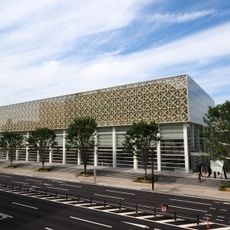
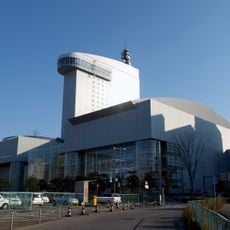
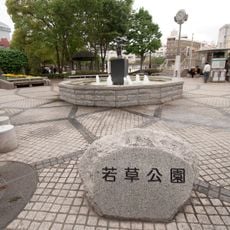
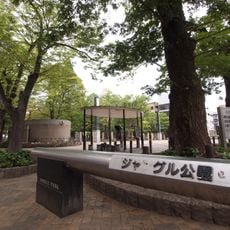
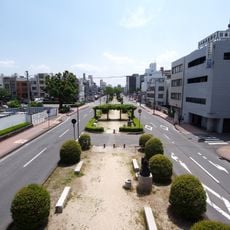
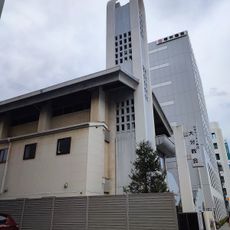
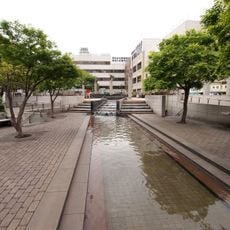
The castle site is now Ōita Castle Ruins Park in central Ōita; the prefectural office and city hall stand on the former third enclosure. The moat was partly filled in from 1919 for the prefectural office expansion, and the west enclosure's cultural hall, built in 1966, closed in 2013 and was demolished. Two original turrets remain: the hostage turret in the main enclosure's northwest corner and the sect turret in the west enclosure.
The castle was a seaside fortress, and its original name, Niage Castle, comes from the spot called Niotoshi where boats unloaded cargo; the name was changed to the more auspicious Niage. The keep burned in 1743 and was never rebuilt, though its four-storey form is recorded in the 1605 Funai Picture Map.
The community of curious travelers
AroundUs brings together thousands of curated places, local tips, and hidden gems, enriched daily by 93,476 contributors worldwide.