Kure-hachimangu, Shinto shrine in Japan
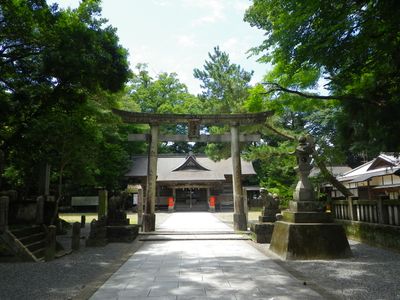
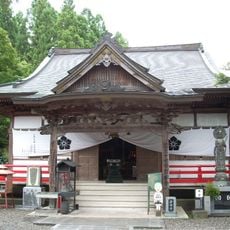
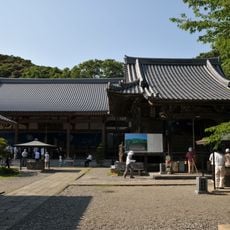
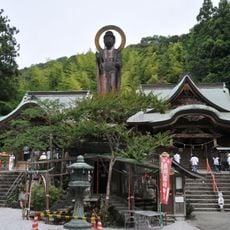
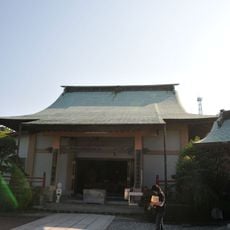
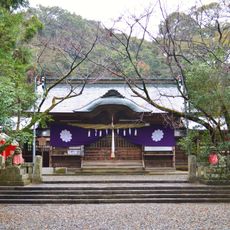
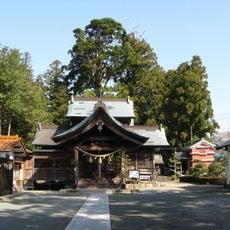
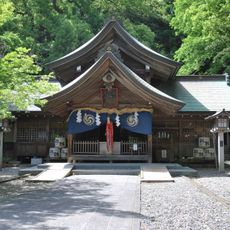
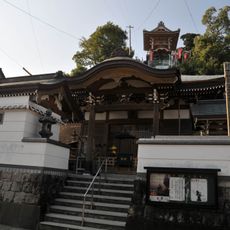
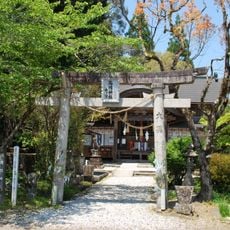
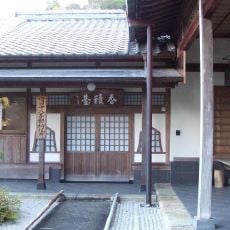
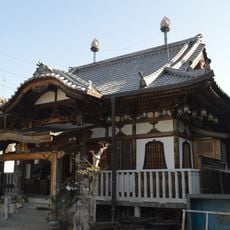
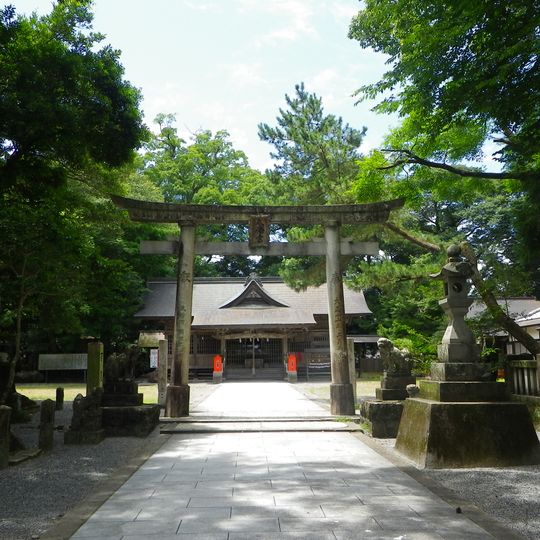
Kure-hachimangu is a Shinto shrine built in the Kasuga-zukuri style that faces the Pacific Ocean with an open perspective. The structure resembles a narrow tower from the outside, looks like a dragonfly from above, and its interior spaces grow progressively narrower as you move deeper into the shrine.
The shrine traces back to the medieval period when it was built as a protector for a feudal lord during battles, with records mentioning 1392 suggesting even earlier origins. The current building was reconstructed in 1825, but the tradition of fishermen visiting for safe passage has spanned over 600 years.
The shrine's name originates from its role as a protector for a feudal lord during conflicts, and it later became a place where fishermen pray before heading out to sea. Today, the wooden plaques and offerings left by visitors show how deeply the local community continues to value this connection.
Visitors should allow time to perform the purification ritual at the water basin and follow the prayer sequence of coin offering, bell ringing, and bowing. The location is easily accessible on foot and offers a tranquil setting for reflection, particularly at sunset when the ocean view becomes more striking.
A large stone with a natural hole on the left side was shaped by flowing water over thousands of years, and visitors believe passing through the opening starting with the head brings blessings and purification. The autumn festival that has run for over 600 years features a heavy torch carried through town that is believed to drive away evil spirits according to local tradition.
The community of curious travelers
AroundUs brings together thousands of curated places, local tips, and hidden gems, enriched daily by 92,157 contributors worldwide.