Nakamura-hachimangū, Shinto shrine in Japan
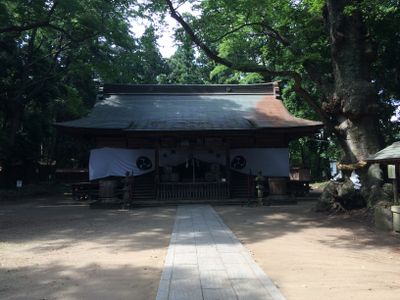
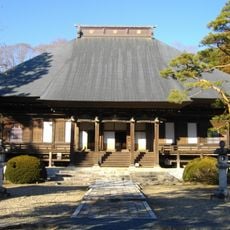
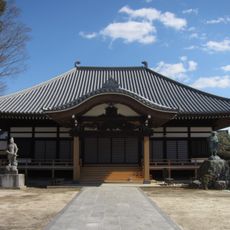
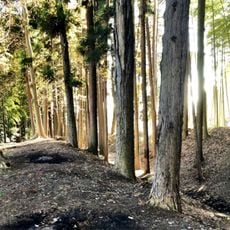
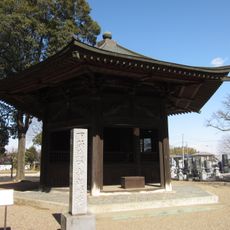
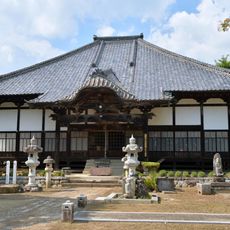
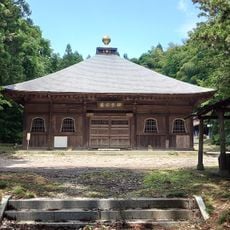
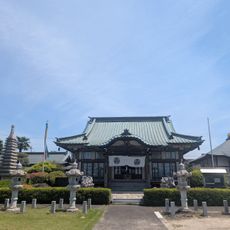
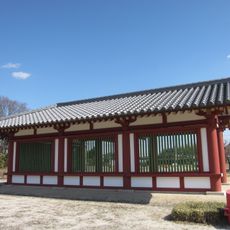
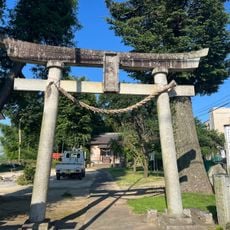
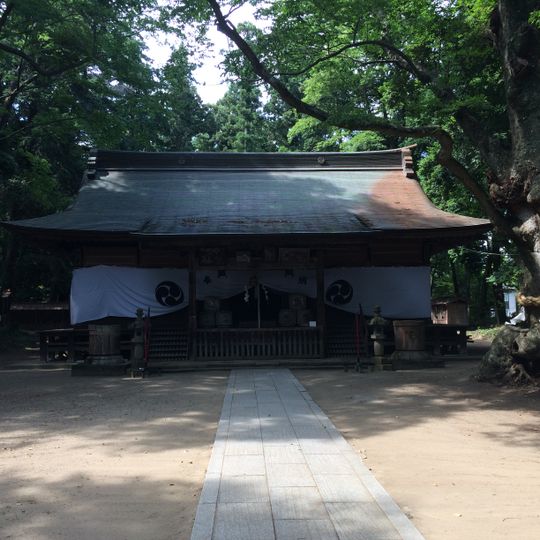
Nakamura-hachimangū is a Shinto shrine in Mooka's farming area, marked by traditional wooden architecture with curved roofs and simple design. Tall, ancient trees line the pathways leading to the main hall, where a small fountain for ritual cleansing sits near the entrance and wooden plaques hang from the surrounding structures.
Founded in 676, the shrine has stood for over 1,300 years as a place of worship in the region. The Date family, local warrior rulers, became closely connected to the site and contributed to its development and protection throughout the centuries.
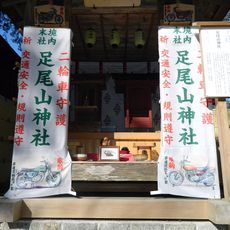
The shrine is dedicated to Hachiman, a deity associated with protection and strength, whose worship here connects the community to ancient spiritual traditions. You can see visitors leaving small wooden plaques with personal wishes, revealing how the place remains woven into local life and daily customs.
The shrine is easy to reach with parking available nearby for visitors. The closest train station is about 4 miles (6 kilometers) away, though many people arrive on foot or by local bus to enjoy the peaceful countryside setting.
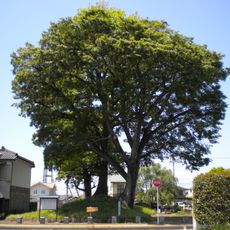
The shrine is home to a rare Kashiwa oak tree that has been protected for decades and is revered as a symbol of resilience in the local community. An ancient cedar tree estimated to be over 800 years old stands on the grounds, embodying longevity and strength that visitors notice upon arrival.
The community of curious travelers
AroundUs brings together thousands of curated places, local tips, and hidden gems, enriched daily by 91,436 contributors worldwide.