Sabi-jinja, Shinto shrine in Japan
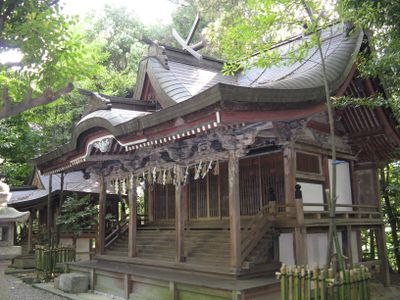
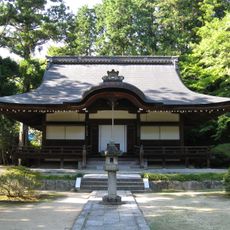
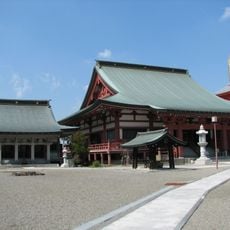
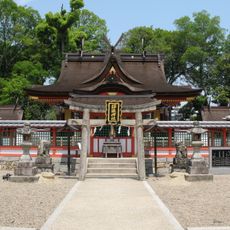
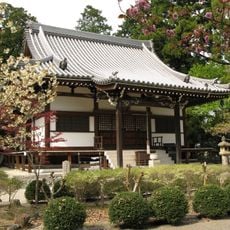
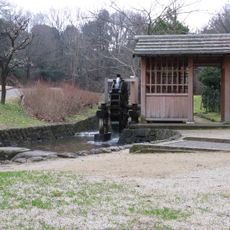
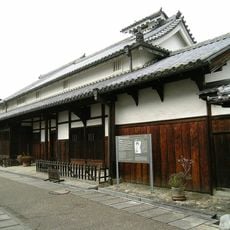
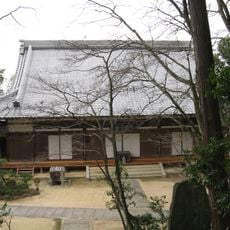
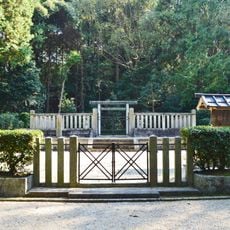
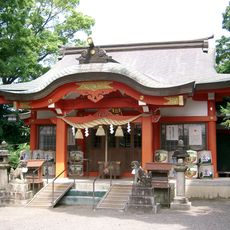
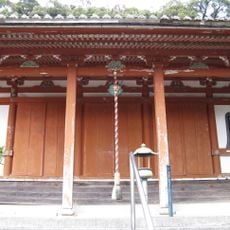
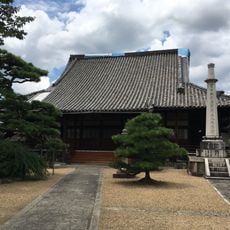
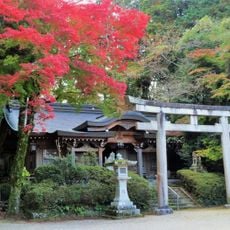
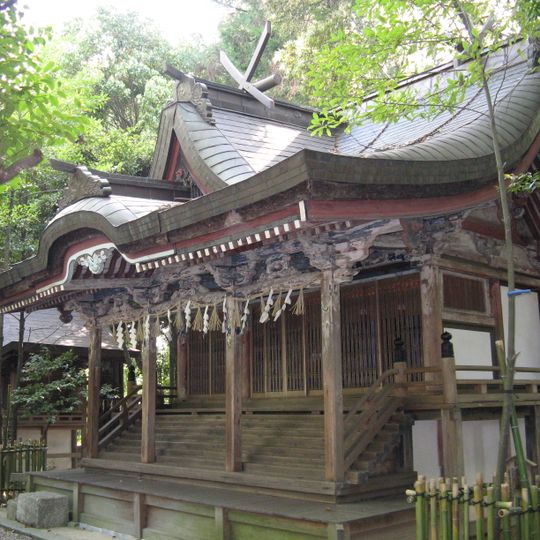
Sabi-jinja is a small Shinto shrine in Tondabayashi with traditional wooden buildings featuring a gently curved roof. The grounds include a main hall for ceremonies, several smaller structures dedicated to other deities like Kagutsuchi and Ōkuninushi, and old trees that provide shade and a sense of age throughout the space.
The shrine was originally known as Nigori Shrine and is connected to settlers from Baekje who brought advanced weaving techniques to the area centuries ago. Its main hall was rebuilt in 1363 and is now recognized as an important cultural property protected for its historical value.
The shrine is dedicated to Susanoo and has been a gathering place for local prayers and seasonal celebrations for many centuries. Visitors come during festivals to watch traditional performances, leave offerings, and participate in community rituals that keep local customs alive across generations.
The shrine is easily accessible, located just a few minutes walk from Kawanishi Station on the Kintetsu Nagano Line. The approach path is lined with trees and takes about two or three minutes from the large stone torii gate to the main hall, allowing visitors time to prepare and enjoy the natural surroundings.
The shrine was historically connected to other religious sites in ancient Kawachi Province through a nearby river and later influenced shrine architecture in distant regions. Craftspeople from Baekje who settled here shaped not only local weaving traditions but also the spiritual identity of the area for centuries to come.
The community of curious travelers
AroundUs brings together thousands of curated places, local tips, and hidden gems, enriched daily by 92,626 contributors worldwide.