Sōsei River, River and aqueduct system in central Sapporo, Japan
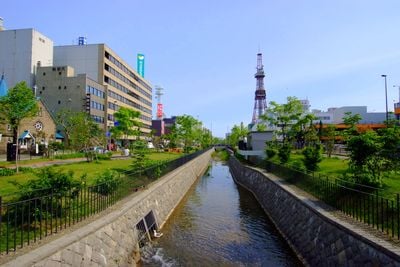
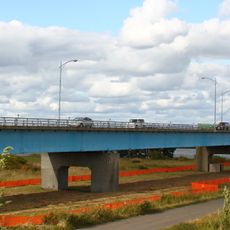
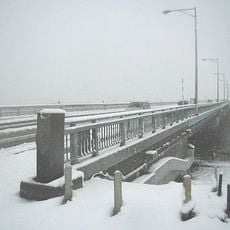
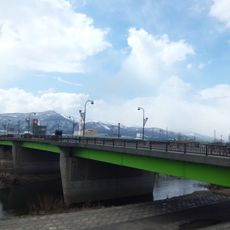
The Sōsei River is an engineered waterway and irrigation system running through central Sapporo that combines natural flow with infrastructure designed for the city's needs. The system controls water distribution while creating a physical boundary that organizes the urban landscape.
The waterway was constructed in 1866 under Ōtomo Kametarō's direction as part of Sapporo's initial urban development. This project connected the growing city to the Ishikari River and transformed agricultural land into an organized settlement.
The name reflects its dual role as both waterway and city divider, shaping how people navigate and organize their daily lives in Sapporo. Its presence has become woven into the local sense of place, dividing neighborhoods and influencing how residents think about their city's geography.
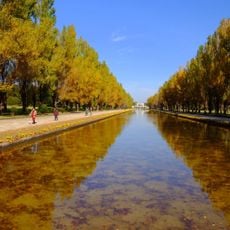
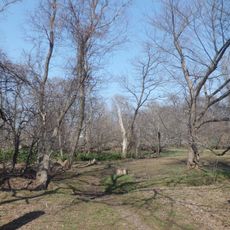
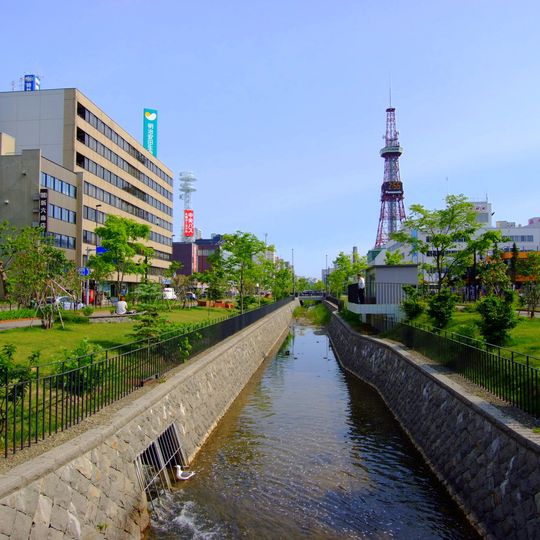
The waterway serves as a clear landmark for navigation, dividing the city's districts into eastern and western zones that help orient visitors. Walking paths and parks along the water are accessible year-round and provide good sightlines through the urban landscape.
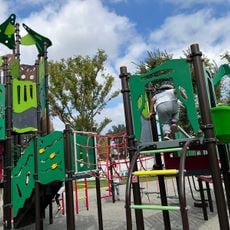
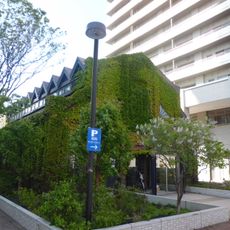
A linear park section spans roughly 820 meters, weaving artistic installations and staircases into the water's edge alongside lilac trees that bloom seasonally. This transformation demonstrates how engineers repurposed infrastructure into a destination for everyday life rather than just utility.
The community of curious travelers
AroundUs brings together thousands of curated places, local tips, and hidden gems, enriched daily by 92,470 contributors worldwide.