Nansatsu Plateau, Volcanic ash plateau in Kagoshima Prefecture, Japan.
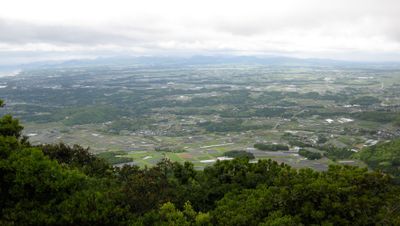
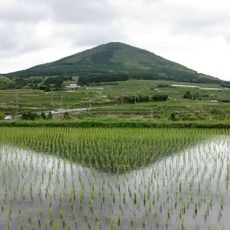
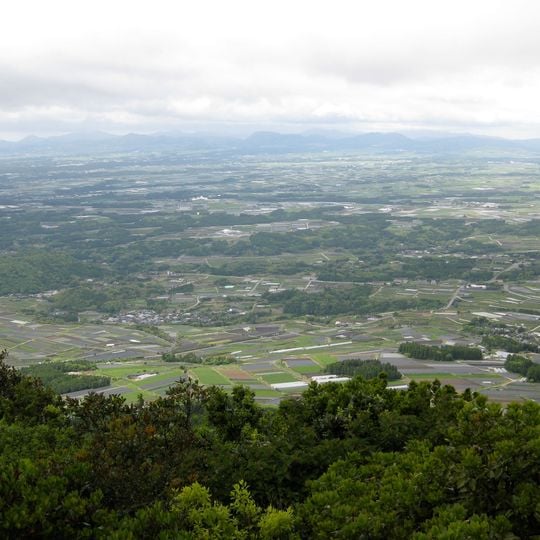
Nansatsu Plateau is a volcanic ash plateau spanning southern Kyushu with deposits of white pumice soil creating its foundation. The soil reaches depths of 160 meters in some areas and forms the basis for the region's farming landscape.
The plateau formed roughly 30.000 years ago through eruption phases from the Aira Caldera in southern Japan. These volcanic events left behind the white deposits that shape this landscape today.
Farmers here have cultivated sweet potatoes and vegetables on volcanic soil for generations, shaping how the land looks and is used. These farming practices are woven into daily life and reflect how people have learned to work with this unique terrain.
The plateau is best explored on foot or by car, with good views of the white soil visible from many points across the landscape. The best time to visit is during the growing season when fields are planted with crops.
The soil consists of non-welded ignimbrite deposits that give it a distinctive white coloration across the landscape. This pale surface creates an almost otherworldly appearance that catches visitors by surprise.
The community of curious travelers
AroundUs brings together thousands of curated places, local tips, and hidden gems, enriched daily by 91,510 contributors worldwide.