Jōnan-gū, Shinto shrine in Fushimi-ku, Kyoto, Japan
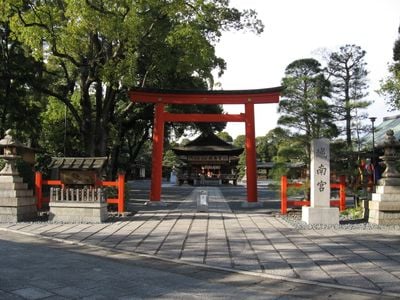
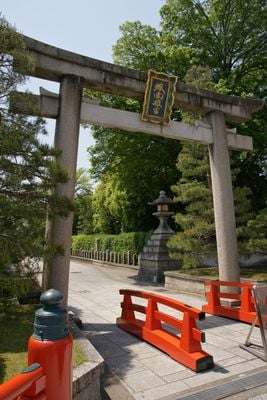
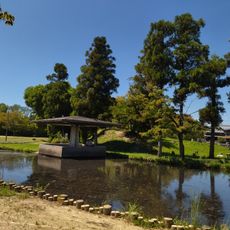
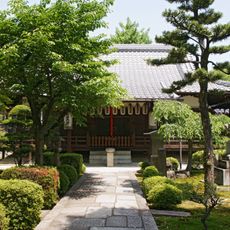
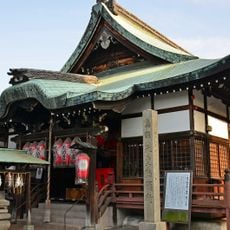
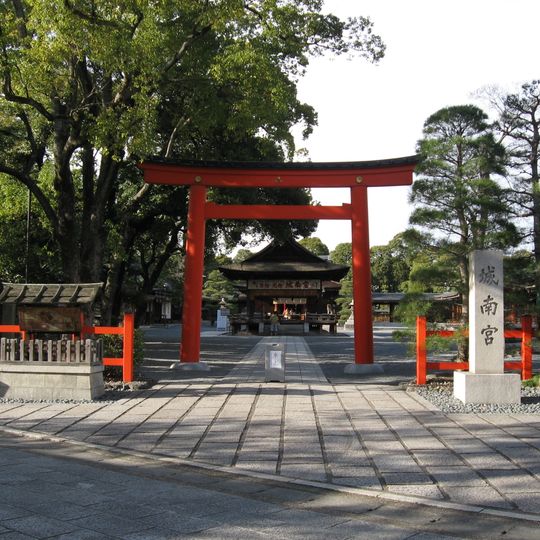
Jōnan-gū is a Shinto shrine in Fushimi-ku, Kyoto, Japan, set on expansive grounds with stone paths and landscaped gardens. Several wooden buildings with curved roofs surround a central courtyard where a winding stream flows through the grounds.
The shrine was built in 794 when Emperor Kanmu moved the capital to Heian-kyo, intended to protect the new city from harm. After several fires and destructions over the centuries, the current complex was rebuilt during the Meiji period.
The name translates to "shrine of the southern gate" and refers to its position at the former entrance to the imperial capital. During ceremonies, priests still wear black or white robes following courtly tradition and perform purification rituals using paper wands and sacred water.
The shrine is accessible from Takeda Station on the Kyoto subway with a short bus ride. It is best visited on weekday mornings when the gardens are quiet and allow space to walk.
The Kyokusui-no-Utage competitions happen twice yearly, where participants in historical court dress compose poems while sake cups float past them on the stream. Anyone who fails to finish their poem before the cup drifts by must drink the sake.
The community of curious travelers
AroundUs brings together thousands of curated places, local tips, and hidden gems, enriched daily by 90,847 contributors worldwide.