Anrakuju-in, Buddhist temple in Fushimi-ku, Japan
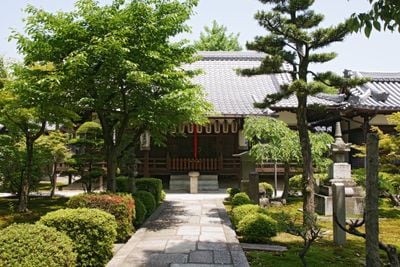
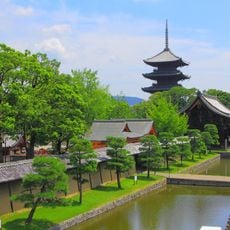
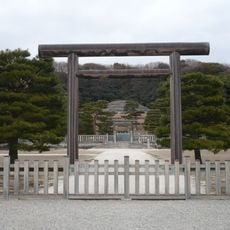
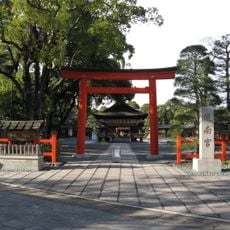
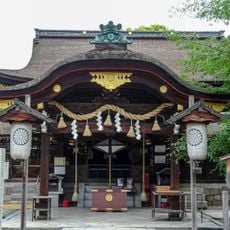
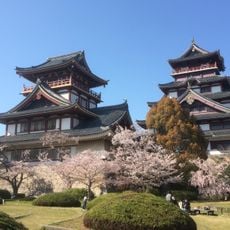
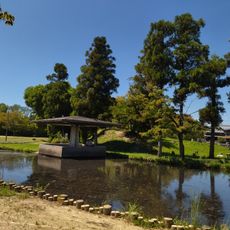
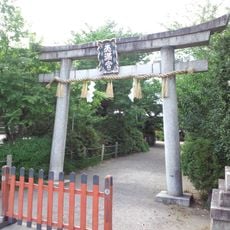
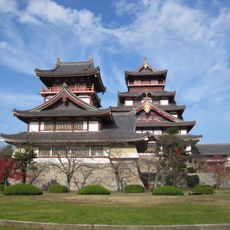
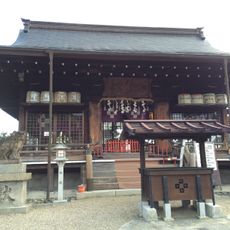
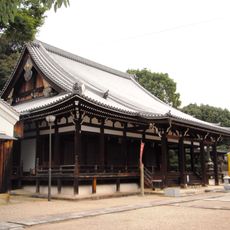
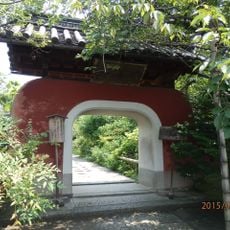
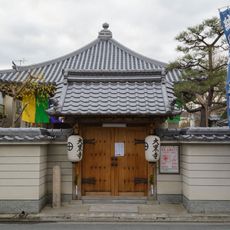
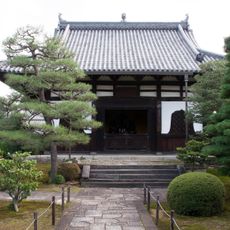
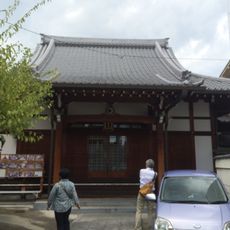
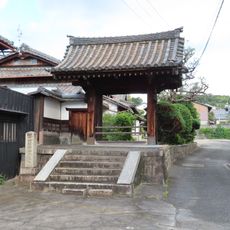
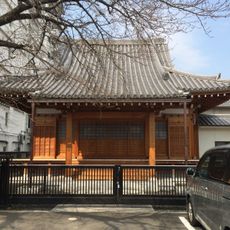
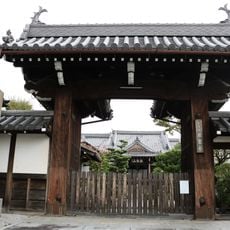
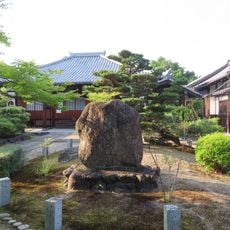
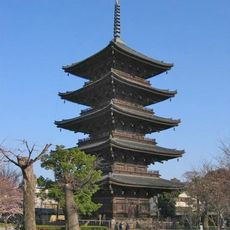
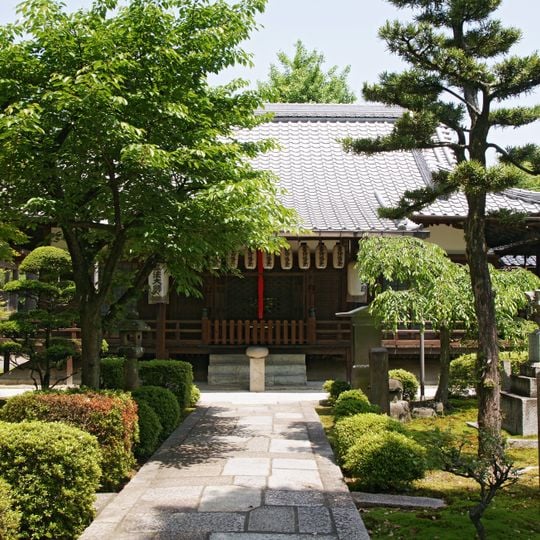
Anrakuju-in is a Buddhist temple in Kyoto's Fushimi-ku district featuring a two-tier pagoda, a traditional belfry, and stone-paved paths that lead through the grounds. The main hall sits at the heart of this compact but well-organized complex with several supporting structures.
The temple was founded in 1137 when Emperor Toba transformed his imperial villa into a religious center. Both Emperor Toba and Emperor Konoe chose this location as their final resting place, establishing it as a sacred site.
The temple preserves important religious artworks from the Heian period, including silk paintings and wooden statues of Amida Nyorai that reflect the spiritual devotion practiced here. Visitors can see how these pieces embody the artistic traditions of their time.
Access to the temple is limited and visitors should arrange visits in advance through proper channels. The nearby Takeda station serves as a convenient starting point for reaching the site.
The Ashikaga family, which later became one of Japan's most powerful shogun clans, took their name from an estate that originally belonged to this temple. This connection reveals the political significance the site held in medieval Japan.
The community of curious travelers
AroundUs brings together thousands of curated places, local tips, and hidden gems, enriched daily by 91,655 contributors worldwide.