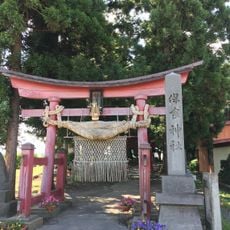
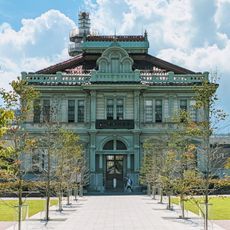
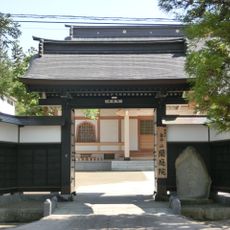
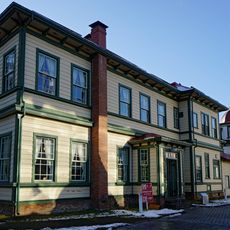
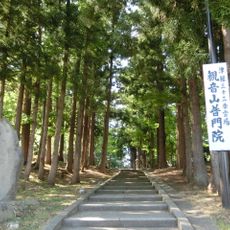
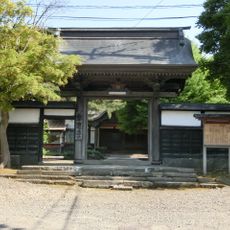
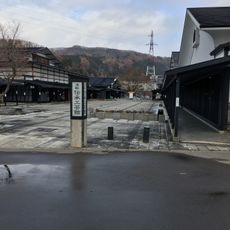
Owani Onsen, building in Aomori Prefecture, Japan
Owani Onsen is a sulphate hot spring in northern Japan where natural thermal waters flow through a small mountain village. The town center features ryokans, four public bathhouses, and traditional shops lining a river crossed by seven colorful bridges.
The spring was founded in the early 13th century by a traveling monk named Enchi Shonin, who was healed of illness after bathing in the waters. During the Edo period, the site was visited by the local feudal lord, and later developed into a popular destination during the Meiji era.
The name Owani comes from the local Tsugaru culture and means "cozy place." The village streets are shaped by traditional inns and colorful bridges, where locals and travelers meet and share the slow pace of daily life.
The village is a short walk from Owani-Onsen Station and easily reached by train or car. The ryokans and public bathhouses are accessible for visitors with different budgets, and walking paths and bridges are well-marked for pedestrians.
The celebrated Owani bean sprouts have been cultivated for about four centuries using only heat and water from the hot springs and are called the "King of Wild Vegetables." This crunchy vegetable with a strong aroma is eaten fresh and appears as a topping in many local ramen and soba dishes.
The community of curious travelers
AroundUs brings together thousands of curated places, local tips, and hidden gems, enriched daily by 60,000 contributors worldwide.