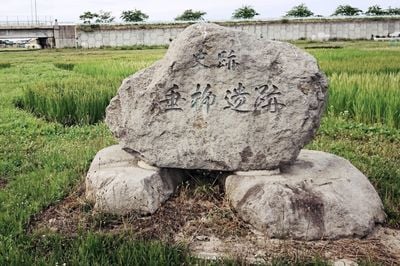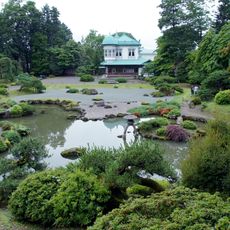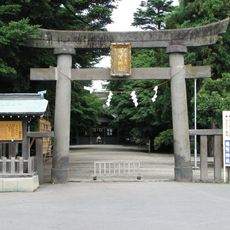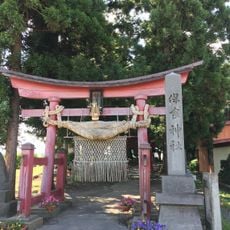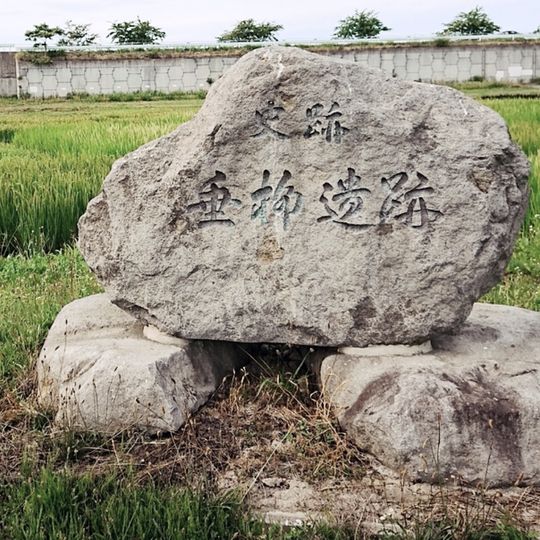
Tareyanagi Site, Archaeological site in Inakadate, Japan.
Tareyanagi Site is an archaeological site in Inakadate, in northern Japan, where ancient rice paddies and an irrigation network have been uncovered. A small on-site museum displays the excavation findings and explains the farming methods used at the time.
The site was discovered in 1981 during construction work and dates back to around 100 BC. It is one of the earliest pieces of evidence that rice farming had reached the northern part of Japan during the Yayoi period.
The site shows how people organized rice farming and irrigation about 2,000 years ago. Visitors can see footprints left in the soil by farmers during the Yayoi period, making daily life in the fields feel tangible and close.
The site and museum are about a 10-minute walk from Inakadate Station. The information panels on-site are clear and easy to follow, so no prior knowledge is needed to get a good sense of the place.
Volcanic ash from nearby mountains sealed the soil and preserved over 1,500 human footprints in the ancient rice paddies. This kind of preservation is rare and lets visitors trace the exact paths that farmers walked more than 2,000 years ago.
The community of curious travelers
AroundUs brings together thousands of curated places, local tips, and hidden gems, enriched daily by 92,634 contributors worldwide.