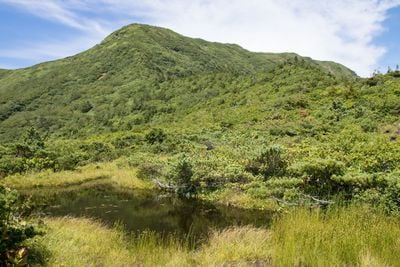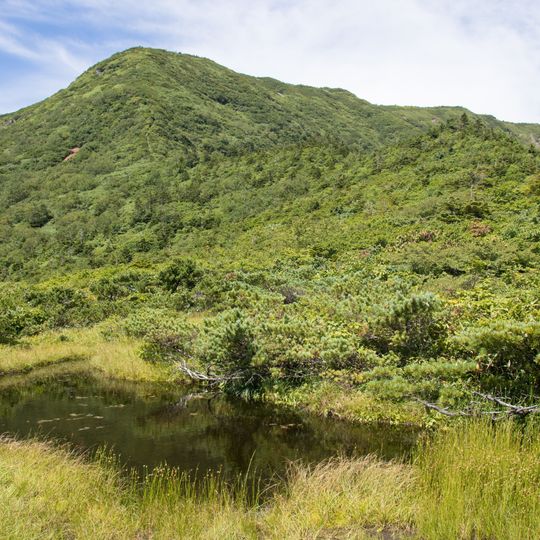
Byōbu Dake, Mountain summit in Zao, Japan.
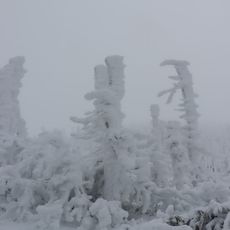
Byōbu Dake is a mountain summit within the Zao range in Japan, rising to around 1,800 meters with varied plant life distributed across different elevation levels. The terrain transitions gradually from lower slopes with mixed forests to alpine vegetation near the peak.
The mountain was first documented as climbed in the late 1800s, marking the beginning of organized mountaineering in this region. These early explorations gradually opened the Zao range to recreational hiking and mountain tourism.
The mountain's name references traditional Japanese folding screens, inspired by its striking profile when viewed from certain angles. Locals and visitors often notice how the ridge formation resembles the folds of these decorative panels.
Proper hiking gear and careful weather monitoring are essential for the climb, as conditions can shift rapidly at elevation. Multiple marked trails provide options for visitors of different fitness levels to reach the summit.
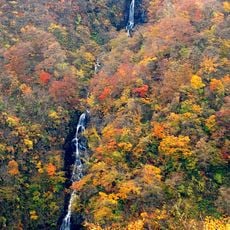
The mountain supports multiple ecological zones where alpine plants thrive and display different colors and textures across seasons. This natural mosaic has attracted the attention of botanists and visitors with interest in plant diversity.
The community of curious travelers
AroundUs brings together thousands of curated places, local tips, and hidden gems, enriched daily by 91,540 contributors worldwide.