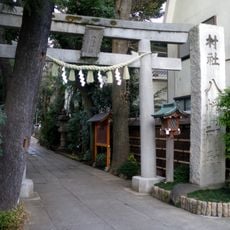
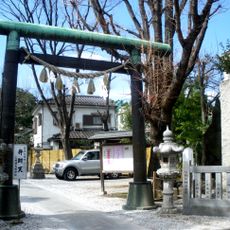
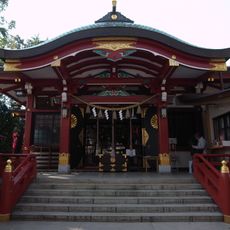
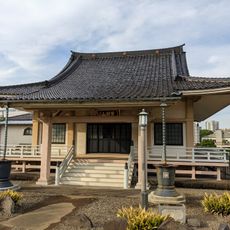
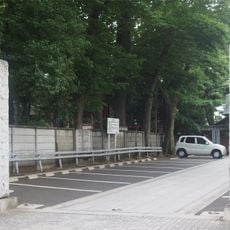
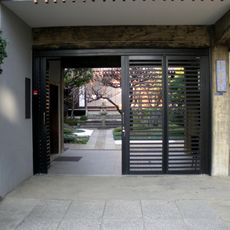
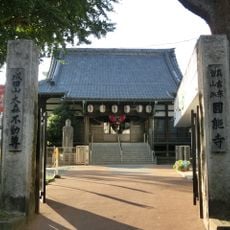
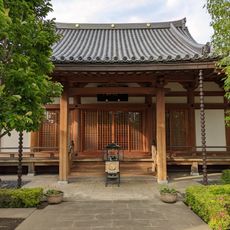
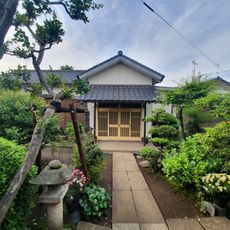
Hatagaoka hachiman-jinja, Shinto shrine in Shinagawa-ku, Tokyo, Japan
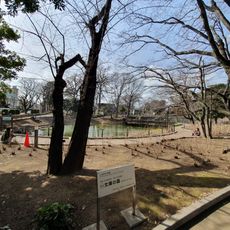
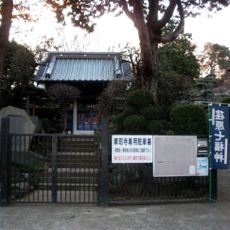
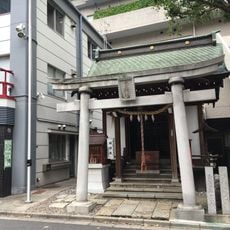
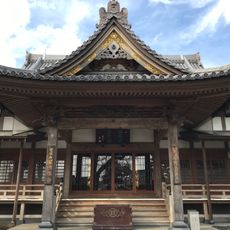
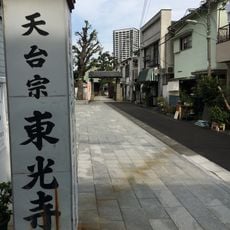
Hatagaoka Hachiman-jinja is a Shinto shrine in Hatagao, Shinagawa-ku, Tokyo. Its current main hall was rebuilt in 1964 after the previous one burned in World War II; only the ema hall survived. The shrine is next to Hōren-ji, its former betto-ji, and the approach follows an old Kamakura road.
Tradition dates its origin to 1030, when Minamoto no Yorinobu is said to have encamped here en route to suppress the Taira no Tadatsune rebellion and dedicated a Hachiman deity. In the Kamakura period the local lord Ebara Yoshimune built shrine buildings and made it guardian of the district. The hall burned in World War II, leaving only the ema hall, and the present buildings were rebuilt in 1964.
The shrine honors Hachiman, a protective deity for warriors and a figure people visit for luck and safety. Visitors perform simple rituals here, including ringing a bell, clapping their hands, and leaving coins or written wishes near the altars.
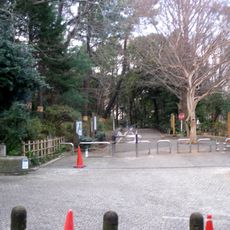
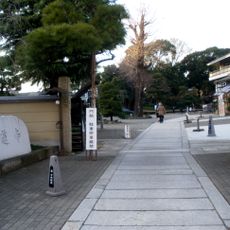
The shrine is a short walk from local train stations and easy to reach on foot. The streets leading to it are typically quiet and narrow, with a purification fountain near the entrance where visitors can wash their hands and mouth before praying.
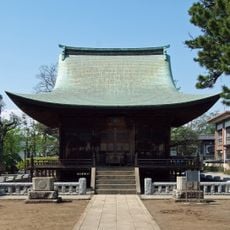
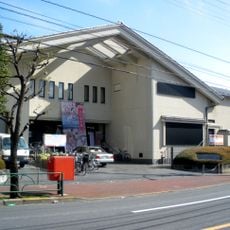
The shrine's ema hall survived the World War II air raids that burned the worship hall, and it is now a registered national tangible cultural property; a large votive ema painting there is a Shinagawa ward cultural asset. The shrine also gives its name to the neighbourhood: Minamoto no Yorinobu's white banners, flown at his camp here in 1030, are said to be the origin of the place name Hatanodai.
The community of curious travelers
AroundUs brings together thousands of curated places, local tips, and hidden gems, enriched daily by 94,849 contributors worldwide.