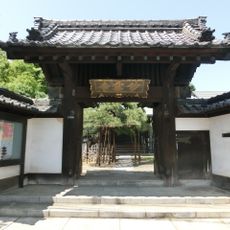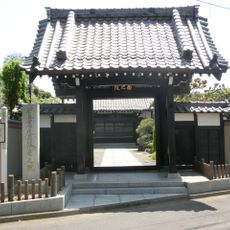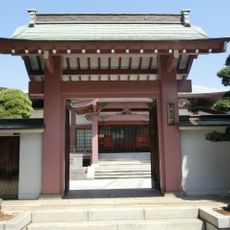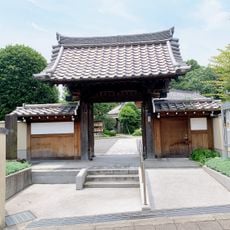
Manpuku-ji, Buddhist temple in Uji, Japan
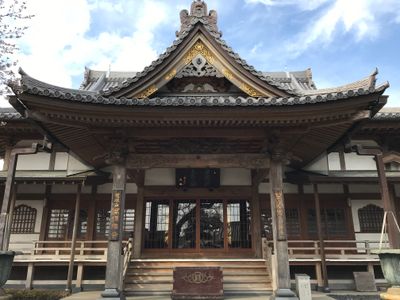
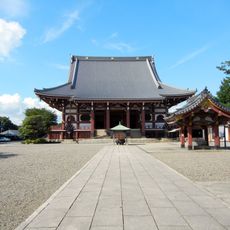
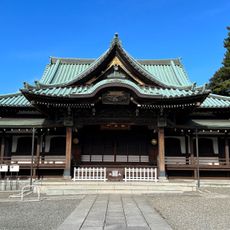
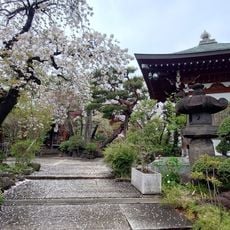
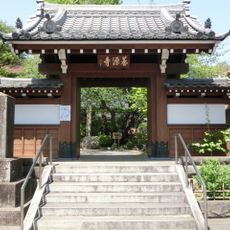
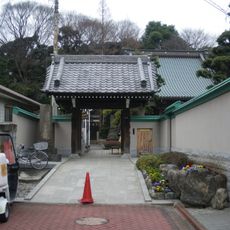
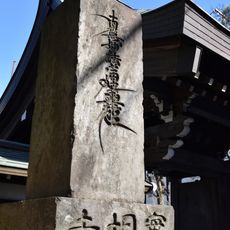
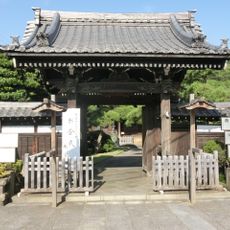
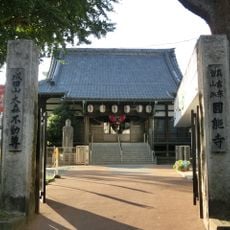
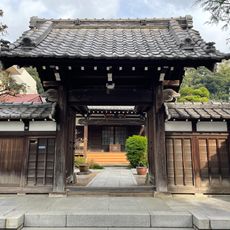
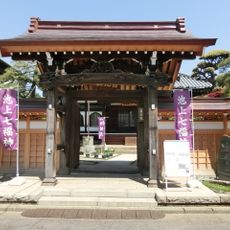
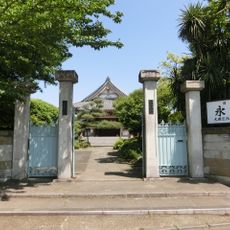
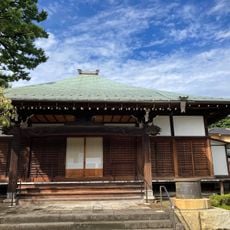
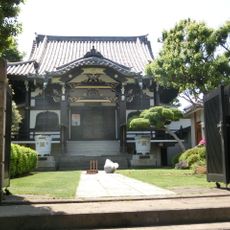
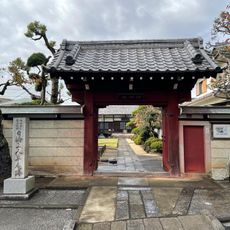
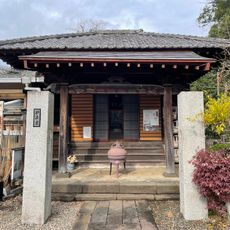
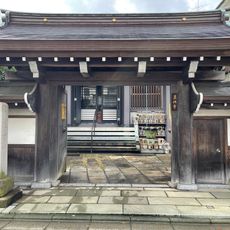
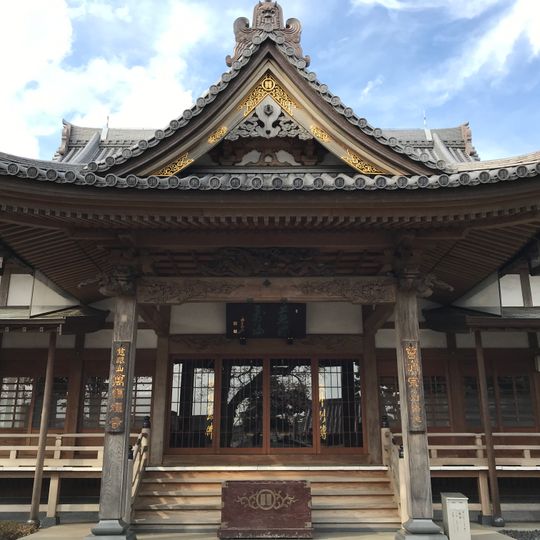
Manpuku-ji is a Buddhist temple displaying Ming Dynasty architecture recognizable in the roof lines, beams, and gate structures throughout the grounds. The complex comprises several halls connected by paved paths, with pine trees lining the spaces between buildings.
The temple was founded in 1661 when a Chinese monk received permission from the Tokugawa family to establish a new religious community here. Construction spanned roughly two decades, creating an important site for cultural exchange between Asia and Japan.
The temple showcases Chinese craftsmanship through its gilded lanterns and detailed wooden carvings on pillars and gates, visible throughout the grounds. Daily monk practice and meditation here keep the space alive as a working religious community rather than merely a museum.
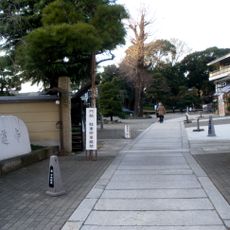
The temple sits within walking distance of a station and is best explored on foot since the grounds are organized along paved paths. Visitors should wear comfortable shoes and expect slippery paths if it has rained.
The temple houses a large collection of wooden blocks used for printing sacred texts, funded by donations from people across the country. This practical treasure shows how believers historically contributed to spreading religious knowledge.
The community of curious travelers
AroundUs brings together thousands of curated places, local tips, and hidden gems, enriched daily by 90,915 contributors worldwide.