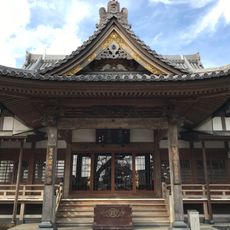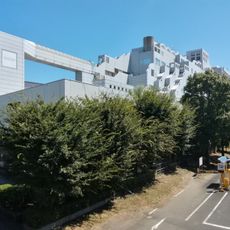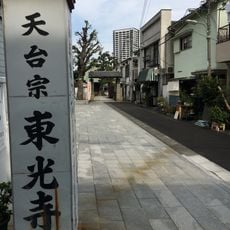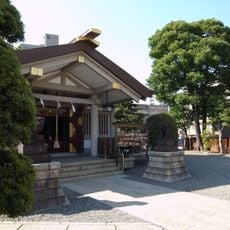
Omori Shell Mounds, Archaeological midden in Ōmori, Tokyo, Japan
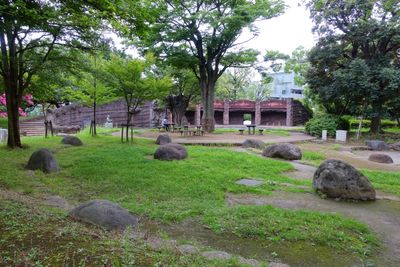
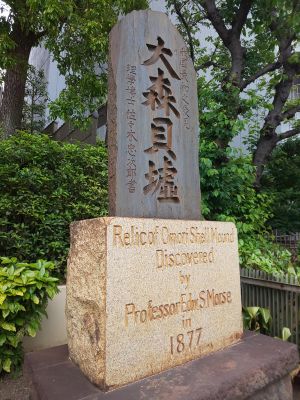
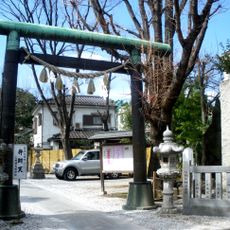
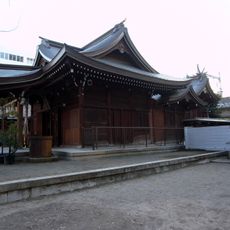
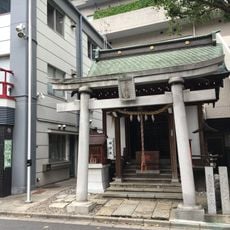
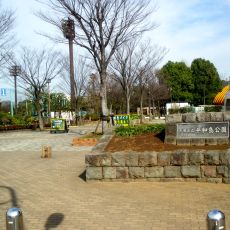
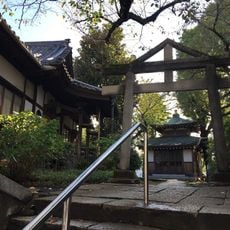
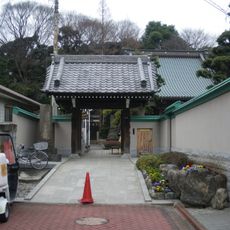
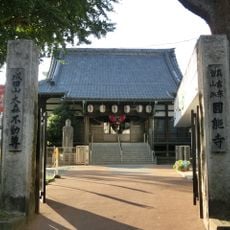
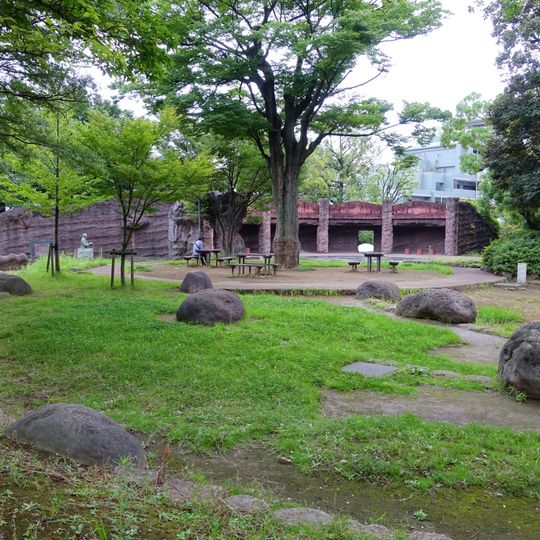
Omori Shell Mounds is an archaeological midden in Ōmori, Ōta Ward, Tokyo. The deposits contain multiple layers of discarded shells, pottery fragments, and ancient tools from prehistoric settlements along the Tokyo Bay coast.
American zoologist Edward S. Morse discovered these mounds in 1877 during a train journey, leading to the first scientific archaeological excavation in Japan. His work opened the study of the Jōmon period and shaped the development of archaeology as a science in the country.
The pottery found in the mounds features cord patterns pressed into wet clay, which gave the Jōmon period its name and represents early Japanese craftsmanship.
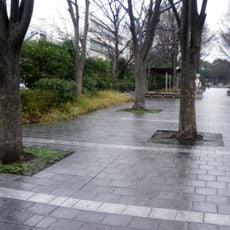
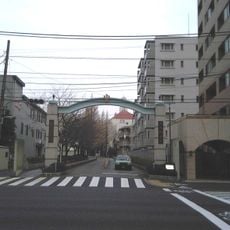
The site opens daily from 9:00 to 17:00 and stands within a five-minute walk from the north entrance of Ōmori Railway Station. A small information center next to the memorial park offers English panels and display items from the excavation.
The fingerprint analysis of pottery fragments at this site led Dr. Henry Faulds to develop modern criminal investigation techniques using fingerprint identification. Morse and Faulds both worked in Japan and recognized that the prints on ancient vessels matched human fingertips.
The community of curious travelers
AroundUs brings together thousands of curated places, local tips, and hidden gems, enriched daily by 92,751 contributors worldwide.