Hebikubo-jinja, Shinto shrine in Japan
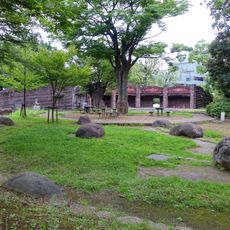
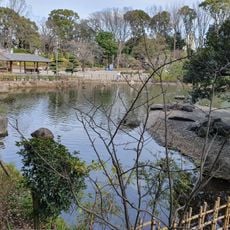
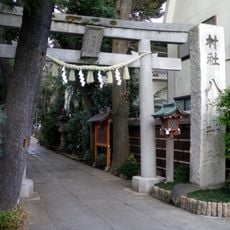
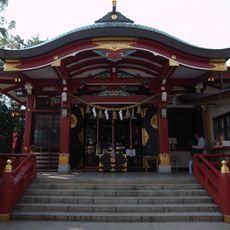
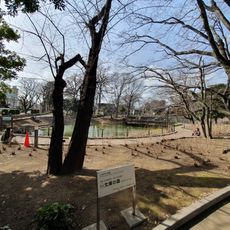
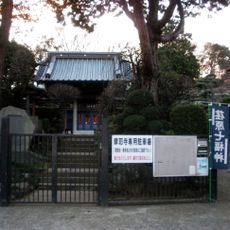
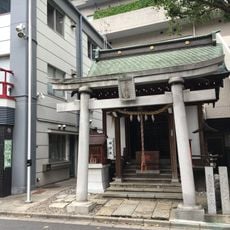
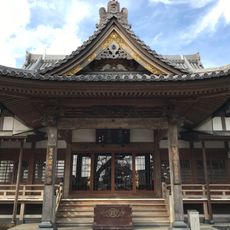
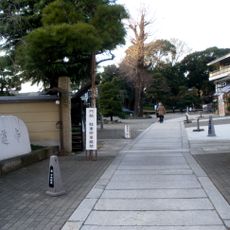
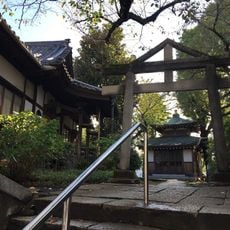
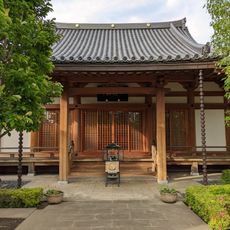
Hebikubo-jinja is a small Shinto shrine in Shinagawa-ku with modest wooden structures, a steep-roofed main hall, and a red torii gate marking the entrance. The grounds include a small pond called Benten Pond, mature trees, stone lanterns, wooden plaques for wishes, and a hand-washing fountain, all arranged along simple gravel paths.
The shrine was founded in the late Kamakura period, around the 14th century, and became linked to a local legend of drought when people prayed for rain. A connection to a white snake and the goddess Benzaiten developed over time, and the Benten Pond was added much later during the Showa era.
Hebikubo-jinja, also known as Tenzo Jinja, is embedded in local spiritual practices that visitors can observe directly. People light incense, hang wooden plaques with wishes, and gather during festivals, showing how the shrine remains woven into the neighborhood's daily life and seasonal celebrations.
The shrine is accessible within a short walk from Nakabayashi, Nishi-Oi, or Togoshi Park train stations, and public transport is the best way to reach it since there is no parking. The pathways are easily walkable year-round, and visitors can plan visits around the annual festival usually held in late September.
A white snake is associated with the shrine and believed to bring good fortune and purification, with visitors touching the snake statue for blessings. This unusual tradition sets the shrine apart from many others and draws people seeking this specific spiritual connection.
The community of curious travelers
AroundUs brings together thousands of curated places, local tips, and hidden gems, enriched daily by 91,804 contributors worldwide.