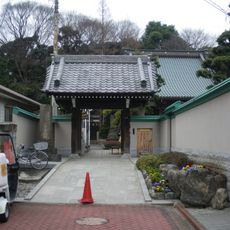
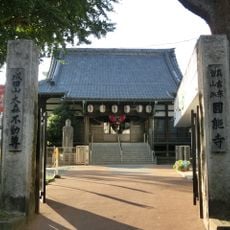
Iwai-jinja, Shinto shrine in Ota, Tokyo, Japan
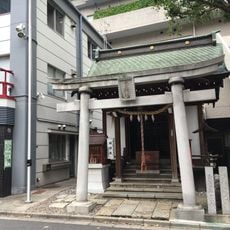
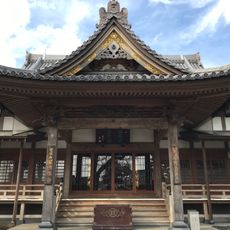
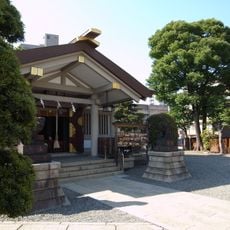
Iwai-jinja is a Shinto shrine in Ōmori-kita, Ōta, Tokyo, historically also called Suzumori Hachimangū. It enshrines Ōjin, Chūai, Jingū, Hime Ōkami and Ōnamuchi. The grounds hold the Suzui-ishi and Karasu-ishi stones, a well, and a Benten hall of the Tōkai Seven Lucky Gods.
Tradition holds that Iwai-jinja was founded during the reign of Emperor Bidatsu, though the exact year is unknown. The Nihon Sandai Jitsuroku records that in 859 the shrine was granted official rank, and it appears in the Engishiki, the tenth-century register of shrines. It was reportedly designated the sōja of the Hachiman shrines of Musashi Province, and in the Edo period it received the patronage of the Tokugawa shoguns.
The shrine remains a place where the local community continues traditional rituals and leaves offerings at the altars. Visitors can observe how reverence for the deities stays active today and how people express their connection to the spirits of the land.
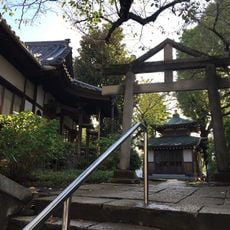
Iwai-jinja stands in Omori-kita, Ota, a short walk from Omori-kaigan Station on the Keikyu Line. The shrine grounds are flat and compact, with the worship hall, the well and the monument stones close together, so a visit takes little time. Look for the Kannon bell stone and crow stone, designated Ota City cultural properties in 1974 but not put on public display.
The shrine's name comes from a suzu-ishi, a stone said to ring like a bell, kept at the shrine and linked to the old place name Suzugamori. The stone and a dark crow stone (karasu-ishi) are registered as Ota City cultural properties, designated in 1974, and are not shown to the public.
The community of curious travelers
AroundUs brings together thousands of curated places, local tips, and hidden gems, enriched daily by 94,212 contributors worldwide.