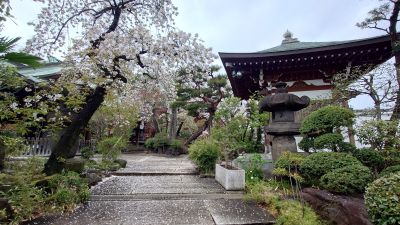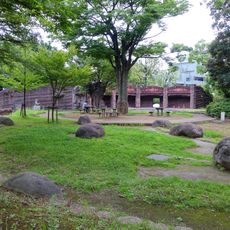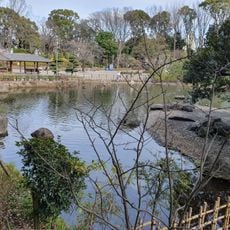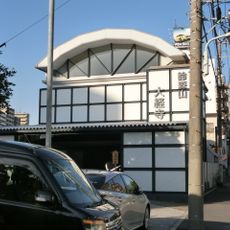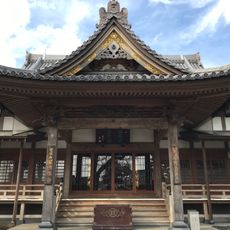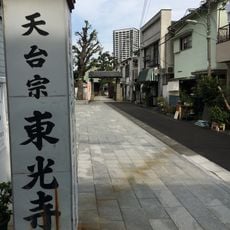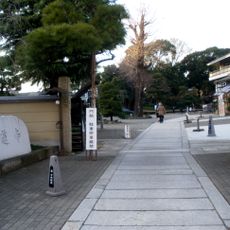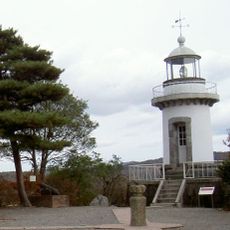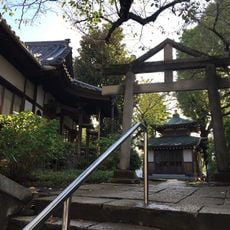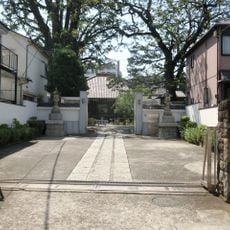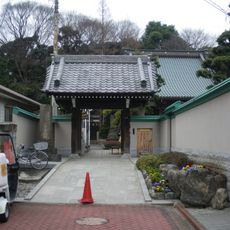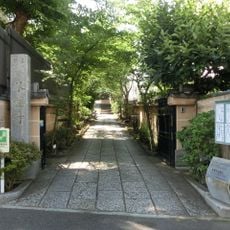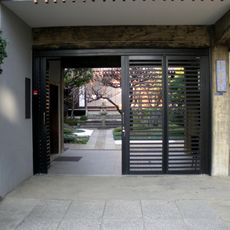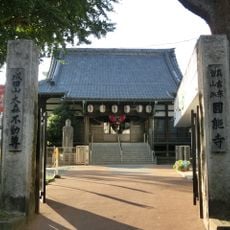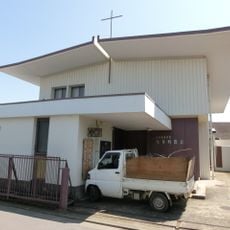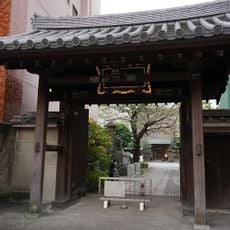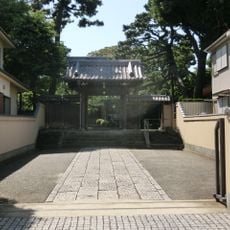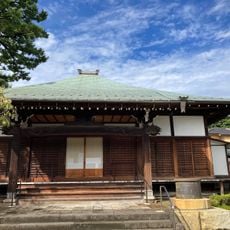
養玉院, Buddhist temple in Shinagawa-ku, Japan.
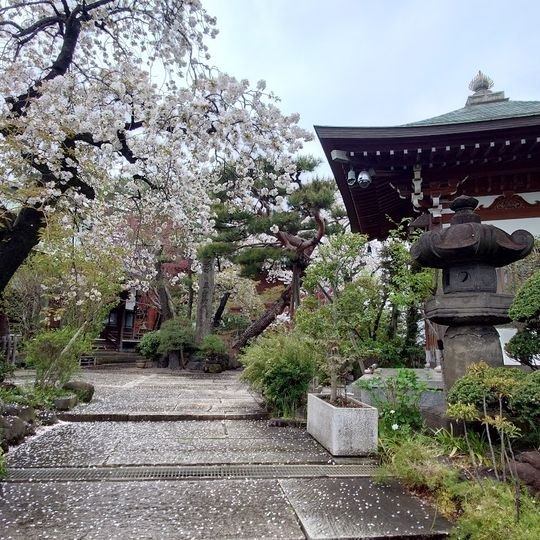
Yōgyokuin is a Tendai temple in Nishi-Ōi, Shinagawa, formally named Kimyōzan Yōgyokuin Nyoraiji. Its Goshin Nyorai Hall, Zuōden, houses five seated Buddha statues about 3 metres tall, known as the Ōi Great Buddhas. The grounds also hold the tombs of the Tsushima Sō clan and the Uemura clan of Takatori.
The temple was formed in 1926 by merging Yōgyokuin, which had moved from Ueno to Ōi in 1922, with Nyoraiji, founded in 1636 at Shiba-Takanawa by the monk Mokujiki Tanshō and relocated here in 1908. Yōgyokuin itself traced its line to Sammakuin, renamed in 1626 within Kan'ei-ji, and took its name in 1663 from the posthumous title of the wife of Sō Yoshinari, second lord of Tsushima Fuchū. The combined temple is formally Kimyōzan Yōgyokuin Nyoraiji.
The temple is the Bussho-son stop on the Ebara Seven Lucky Gods pilgrimage of Shinagawa Ward. On 13 August, the eve of Obon, about 1,000 paper lanterns are lit in the grounds for the Sento Kuyo, a memorial rite for the dead. The five statues in the Godai Nyorai hall are known as the Great Buddha of Oi.
The temple stands in Nishi-Ōi 5-chōme, Shinagawa, a short walk from Ōimachi and Nishi-Ōi stations. The five statues, about 3 m tall, are in the Zuōden hall of the Gochi Nyorai-dō. On 13 August, about 1,000 paper lanterns are lit in the grounds for the Sentō Kuyō rite, so expect crowds that evening.
The cemetery on the grounds becomes a site of family rituals, particularly during the summer Obon festival when relatives visit ancestral graves. This tradition shows how the temple serves as a gathering place for remembrance across generations.
The community of curious travelers
AroundUs brings together thousands of curated places, local tips, and hidden gems, enriched daily by 94,362 contributors worldwide.