日吉神社, Shinto shrine in Asahi Ward, Osaka, Japan
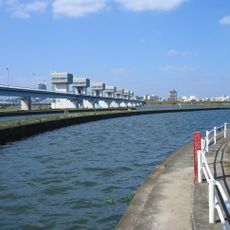
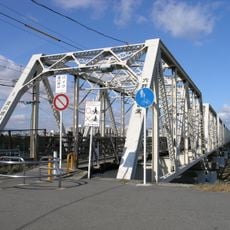
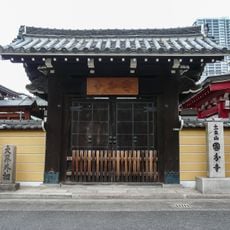
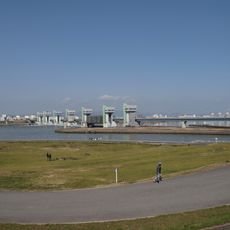
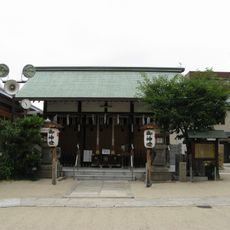
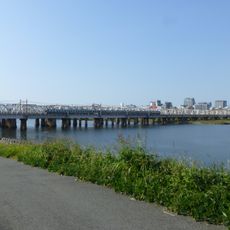
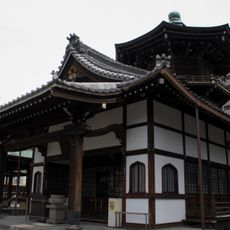
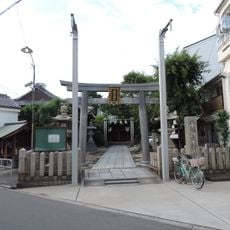
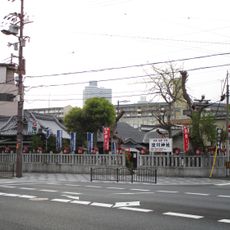
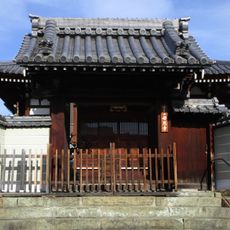
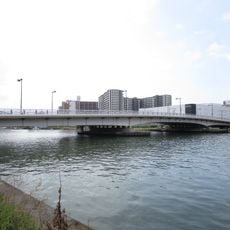
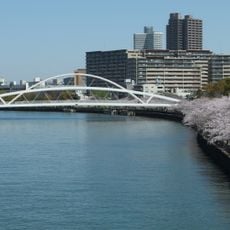
Hiyoshi Shrine stands in Asahi Ward, Osaka, on the south bank of the Yodo River between the Akagawa railway bridge and the Sugawara-jōkita bridge. Its grounds hold a main hall (honden), a worship hall (haiden), the Shibamori Inari shrine, a shrine office, and a hall for the mountain ascetic En no Gyōja. The main deity is Ōyamakui no Kami.
The shrine was founded during the Bun'an era (1444–1448) when a deity was divided from Hiyoshi Taisha and enshrined within the grounds of Akagawa-ji, a Tendai temple founded in the early Kamakura period. It was then called Sannō-sha or Sannō Gongen. Akagawa-ji burned down in 1615 during the Osaka Summer Campaign, but the shrine survived. In 1868 it was renamed Hiyoshi Shrine and ranked as a prefectural shrine; in 1899 the main hall was moved about 200 meters south for Yodo River expansion works.
The shrine's name changed from Sannō-sha or Sannō-gongen to Hiyoshi Shrine in 1868. The Hiyoshi Gyōja-dō hall honours En no Gyōja (Shinpen Daibosatsu), a deity once worshipped at the former Akagawa-ji temple and moved here in 1959. The black stone deity is said to cure illnesses after a dragon god appeared in the priest's dream.
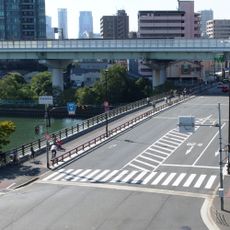
The shrine stands at 4-19-13 Akagawa, Asahi Ward, on the south bank of the Yodo River, roughly midway between the Akagawa railway bridge and the Sugawara Johoku bridge. The nearest station is Morishoji on the Keihan Main Line, about 2 km to the southeast. The precinct is small, so allow a short visit.
The shrine preserves two sacred stones, with a black stone recognized by the priest as a message from a dragon deity in a dream and believed to heal illness. The white stone is associated with fertility and business success, drawing visitors seeking to fulfill their wishes.
The community of curious travelers
AroundUs brings together thousands of curated places, local tips, and hidden gems, enriched daily by 93,356 contributors worldwide.