Mio-jinja, Shinto shrine in Japan
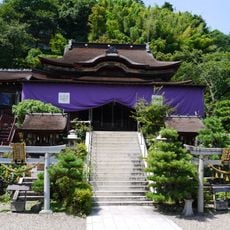
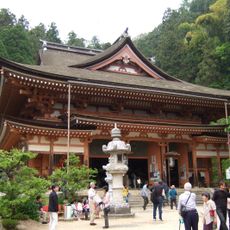
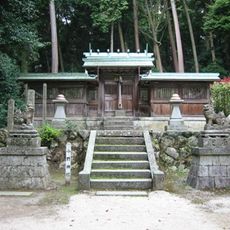
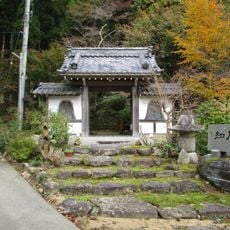
Mio-jinja is a Shinto shrine in Haido, Takashima, on the site of the former Konan-sha (south main hall). Its honden is a one-bay nagare-zukuri building, with a chumon gate and an irimoya-zukuri haiden in front. A Japanese garden, the Mio Teien, was completed in 1996, and the Haido burial mounds lie in the hills behind.
The shrine's first documentary mention is in the Shinjō Kakuchokufu-shō, which records 13 shrine households granted to 'Mio-no-kami' of Ōmi Province in 765. In 927 the Engishiki listed two deities of Mio-jinja as Myōjin Taisha receiving monthly and harvest offerings. The north sanctuary collapsed in a 1971 typhoon, and its deity was moved to the south sanctuary.
This shrine is dedicated to Prince Iwatsukuwake, a mythological figure from Japan's past. Visitors notice how locals leave offerings and perform quiet prayers, especially during seasonal festivals when the community gathers here.
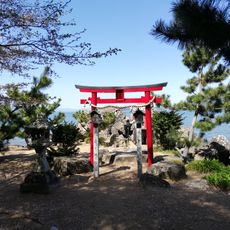
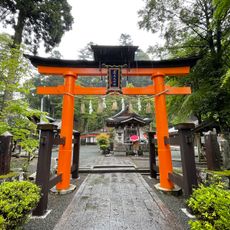
You can enter through the wooden torii gate and walk quietly along stone paths, leaving small offerings if desired. The grounds are compact and easy to navigate, making it suitable for short visits and moments of reflection.
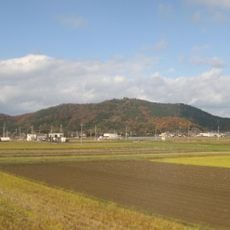
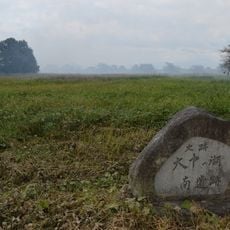
Behind the shrine, in the wooded hillside, lie the Haido burial mounds, a cluster of sixth-century tombs; one, the Oji-zuka, is said to be the grave of the ancestor of the Mio clan. The shrine's crest is a chrysanthemum.
The community of curious travelers
AroundUs brings together thousands of curated places, local tips, and hidden gems, enriched daily by 94,354 contributors worldwide.