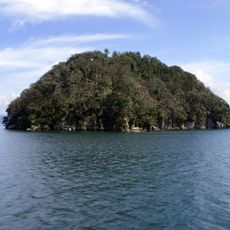
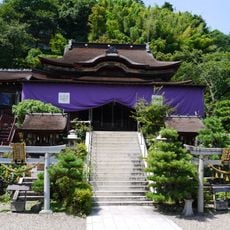
Hōgon-ji, Buddhist temple on Chikubu Island, Nagahama, Japan
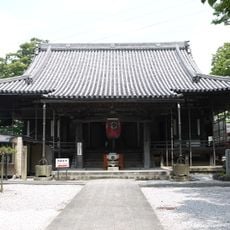
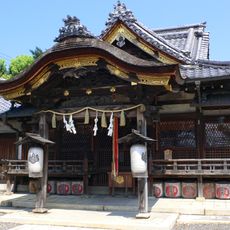
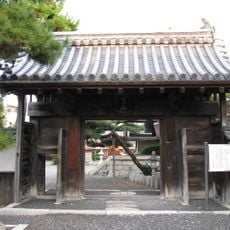
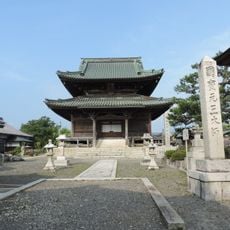
Hōgon-ji is a temple on Chikubushima Island in Lake Biwa and connects several buildings through a raised walkway known as the Funa-roka. The complex includes the Karamon Gate, the Kannon Hall, and other structures distributed in tiers along the hillside.
Emperor Shōmu and the monk Gyōki founded the temple in 724 as a center of Buddhist devotion on the small lake island. The site later received National Treasure status for its buildings from different periods.
Benzaiten, the temple's main deity, is linked to water and is one of the Seven Lucky Gods; the temple is counted among Japan's three great Benzaiten sites. The temple's Benzaiten statue is the oldest of the three, which is why only this temple prefixes its name with "Dai" (great). The Kannon Hall is the 30th stop on the Saigoku Kannon Pilgrimage, and its hibutsu Thousand-Armed Kannon is shown only once every 60 years by principle.
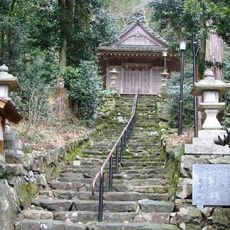
Boats depart from Nagahama or Imazu and bring visitors to the island, where they climb steps to reach the temple. The site is not accessible to wheelchairs, and a visit usually takes one to two hours.
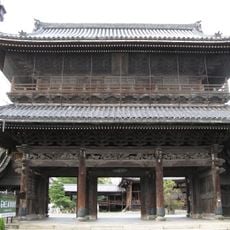
The Karamon Gate was moved in 1602 from the Toyokuni Mausoleum in Kyoto, not from Osaka Castle. A 2006 discovery of a screen painting of Osaka Castle led scholars to suggest its gable may match the lost Gokuraku Bridge there, possibly making it the only surviving Toyotomi-era fragment of that castle.
The community of curious travelers
AroundUs brings together thousands of curated places, local tips, and hidden gems, enriched daily by 93,851 contributors worldwide.