Hōkoku Shrine, Shinto shrine in Nagahama, Shiga Prefecture, Japan
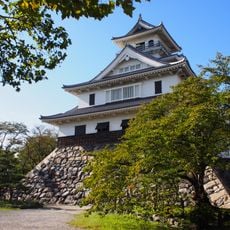
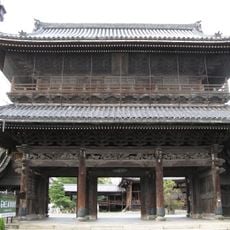
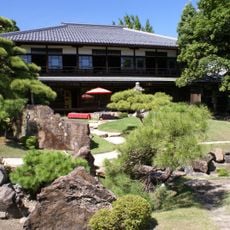
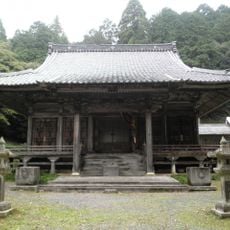
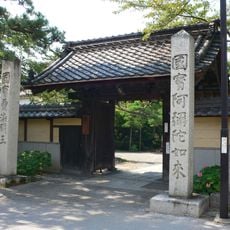
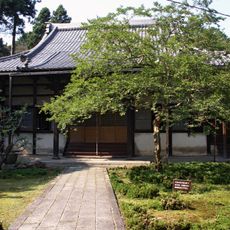
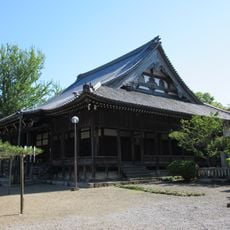
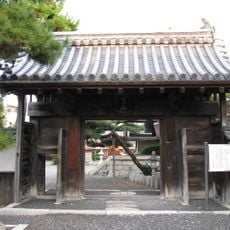
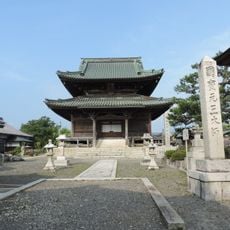
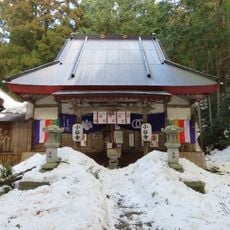
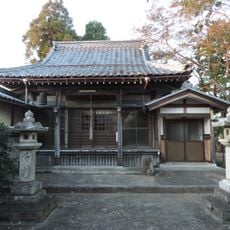
Hōkoku Shrine is a Shinto shrine in Nagahama, Japan. Its main hall, rebuilt in the mid-Edo period, is in Shinmei-zukuri style with a cypress-bark roof and a karahafu gable over the entrance. The grounds also hold a subsidiary Inari shrine, a hall with a ceiling painting by Tokuriki Tomikichirō, and a stone called Tora-ishi linked to Katō Kiyomasa.
The shrine was built in 1600 by local people to honor Toyotomi Hideyoshi, who ruled Nagahama during the 1570s. It was later torn down because the ruling government forbade worship of Hideyoshi, but locals secretly kept his memory alive until the shrine was rebuilt after the Meiji Restoration in the late 1800s.
The shrine holds deep meaning for Nagahama residents, who gather here for seasonal celebrations and local traditions. Events like the Tōka Ebisu Festival in January and October processions bring the community together to honor past warriors and seek good fortune through shared customs.
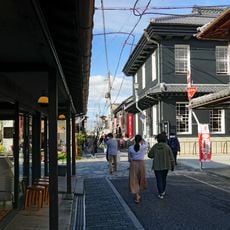
The shrine is less than five minutes on foot from JR Nagahama Station, making it easy to reach. The grounds are open year-round, but it is worth checking ahead if you want to see specific festivals or events, and note that the purification water basins are very low.
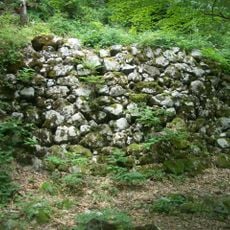
The Tora-ishi rock was donated by Katō Kiyomasa for a garden in Nagahama Castle and was a favorite of Toyotomi Hideyoshi. When the castle was dismantled in 1615 and its buildings moved to Hikone, the stone was taken to Daitsū-ji, but it reportedly made tiger-like cries every night until it was moved to this shrine.
The community of curious travelers
AroundUs brings together thousands of curated places, local tips, and hidden gems, enriched daily by 93,529 contributors worldwide.