Keiunkan, 19th-century guesthouse in Nagahama, Japan
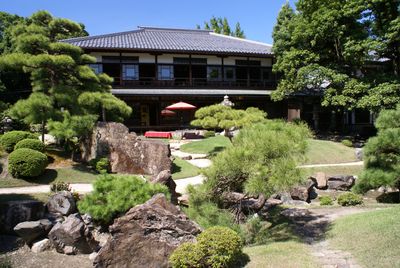
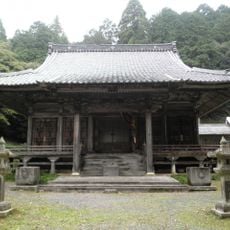
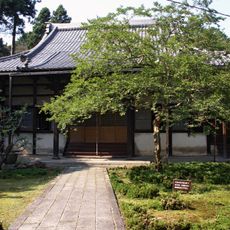
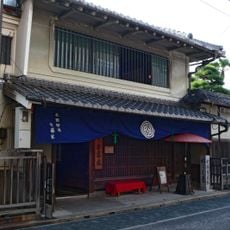
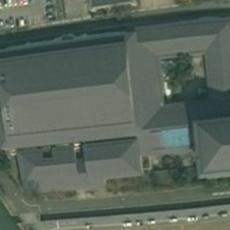
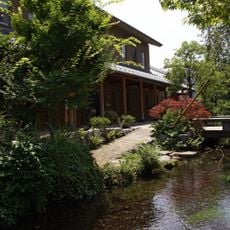
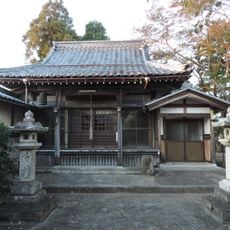
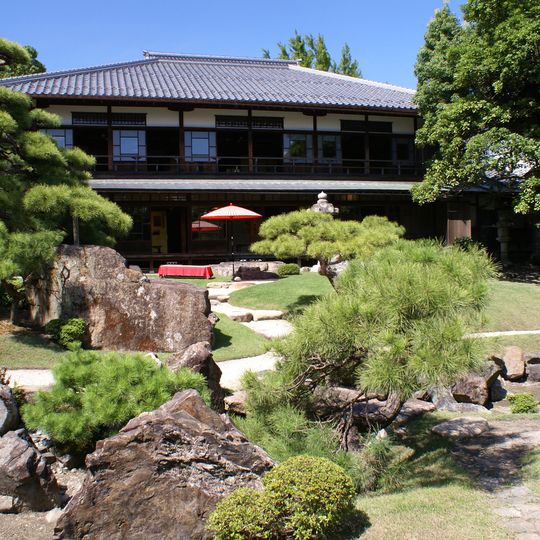
Keiunkan is a 19th-century guesthouse in Nagahama, Japan, built with traditional wooden construction, tatami rooms, and decorative lanterns featuring plum blossom patterns. The rooms are spacious and connected by sliding doors, giving the building a flowing layout that opens from one hall to the next.
The building was put up in 1887 by a merchant named Asami Matazo and was designed from the start to receive guests of high standing. A few years after it was completed, Emperor and Empress Meiji chose it as their lodging during a tour of the region, which brought the property lasting recognition.
The name Keiunkan roughly translates to 'hall of rising clouds', which hints at the refined tone the space was meant to convey to its guests. Today visitors can move through rooms where the wooden details, painted screens, and tatami floors still reflect the care taken to welcome people of high standing.
The site opens only at certain times of year, so it is worth checking ahead before making the trip to Nagahama. Visitors move between wooden floors and tatami areas throughout the tour, so bringing socks and wearing easy-to-remove shoes will make the experience more comfortable.
During the seasonal opening, the rooms display old plum bonsai trees, some of which are several hundred years old and have been shaped by many generations of growers. Seeing these small trees inside a traditional wooden building gives the visit a quality that goes beyond looking at architecture alone.
The community of curious travelers
AroundUs brings together thousands of curated places, local tips, and hidden gems, enriched daily by 90,803 contributors worldwide.