Nagahama, Historical city on Lake Biwa, Japan
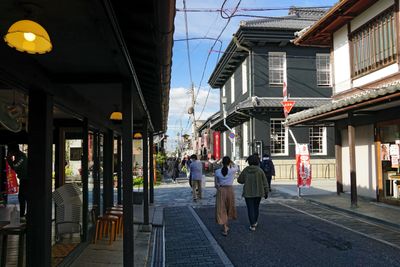
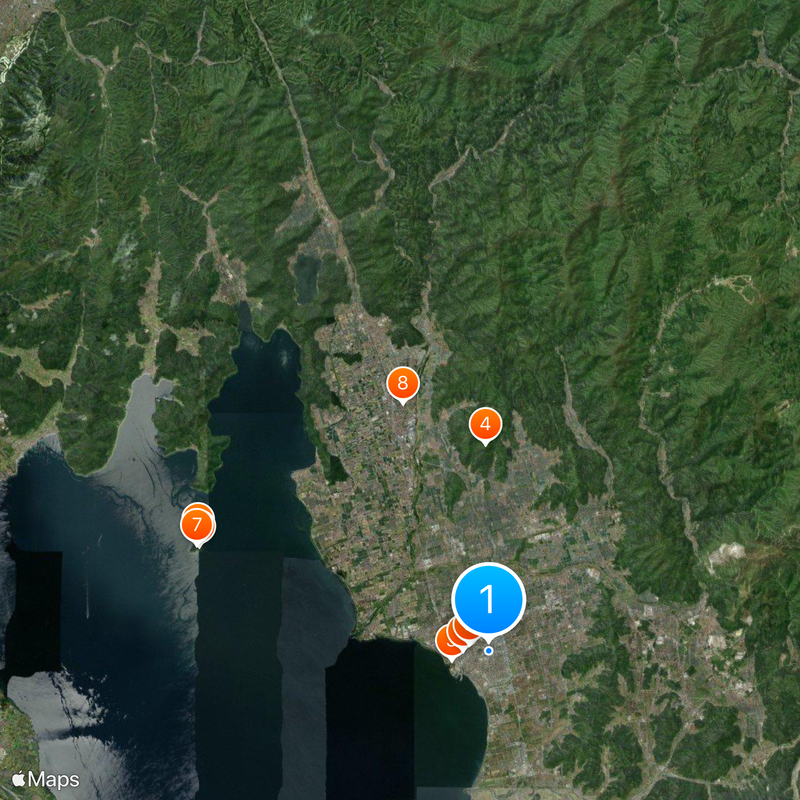
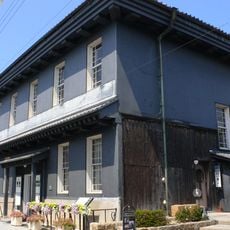
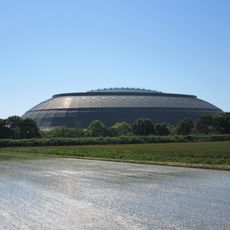
Nagahama spreads across 680 square kilometers (260 square miles) along the northeastern shore of Lake Biwa, enclosed by the Ibuki and Nosaka mountain ranges. The town combines rural villages with urban neighborhoods near the waterfront, while broad rice fields cover the inland valleys.
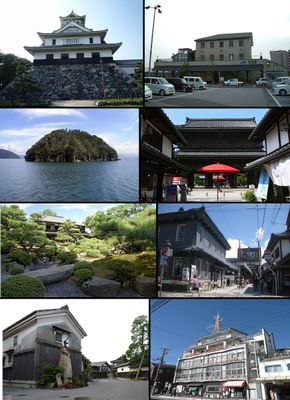
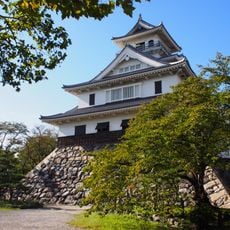
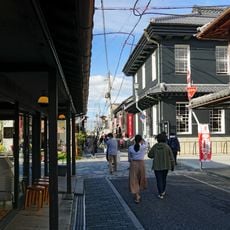
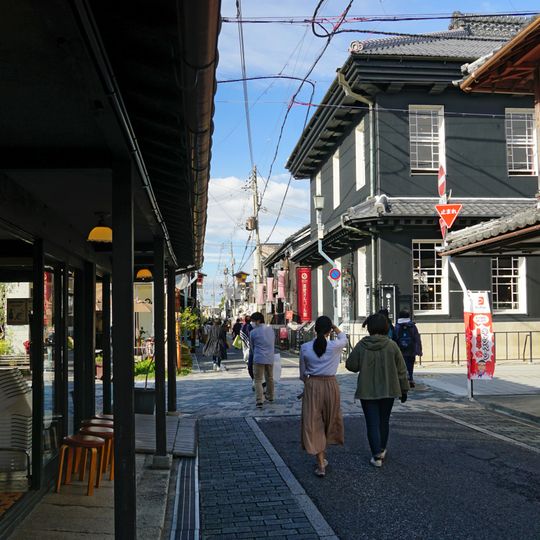
Toyotomi Hideyoshi founded his administrative capital here in 1579, renaming the place from Imahama to Nagahama and building a castle. During the Edo period, the town grew into an important merchant center along the Nakasendō highway linking Kyoto to the eastern coast.
Every April, children in elaborate costumes perform Kabuki theater on decorated floats that parade through the streets during the Hikiyama Festival, a tradition that dates back centuries. The performances transform the town into an outdoor stage, with spectators lining the route to watch the young actors in their historical roles.
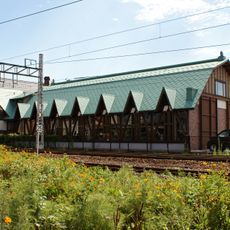
Railway lines connect the town to larger urban centers, and the oldest preserved station building in Japan from 1882 stands as a reminder of early modernization. Visitors can move between the lakeside area and the mountain villages, with each season bringing different landscapes.
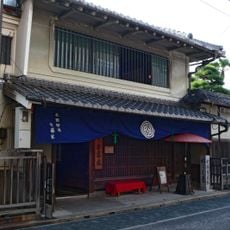
The town keeps alive the craft of making Butsudan, home Buddhist altars that combine woodworking with metal decoration and lacquer art. Each altar emerges from the collaboration of several master craftsmen, each specializing in a particular technique.
The community of curious travelers
AroundUs brings together thousands of curated places, local tips, and hidden gems, enriched daily by 92,136 contributors worldwide.