Edamitsu-hachimangū, Shinto shrine in Japan
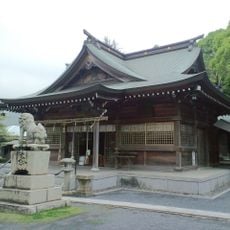
Edamitsu-hachimangū is a Shinto shrine on the slope of Suwayama in Yahatahigashi-ku. It enshrines Hachiman (Empress Jingū and Emperor Ōjin), Hime Ōkami, Susanoo-no-Mikoto and Takeminakata-no-Kami. The shrine was moved to this site in 1631 and was ranked a prefectural shrine in 1940.
Founded in the Kenkyū era, the shrine began when Utsunomiya Shigenari of the Aso clan brought the Hachiman deity from Shimotsuke Utsunomiya and enshrined it on Miyatayama, the demon gate of his Hanō Castle. It declined with the Aso clan, lost its lands in the Keichō era, and was moved to its present Suwayama site in 1627 (Kanei 4). In 1918 it merged with the Suwa Shrine, and in 1940 it was ranked a prefectural shrine.
The shrine is dedicated to Hachiman, a god of war and protection who holds importance in many Shinto traditions across Japan. Visitors can observe how the local community uses this space and maintains respectful customs such as leaving offerings and writing wishes on wooden plaques.
The shrine is easily accessible on foot and located near local bus stops and cycling paths. Visitors can park in a small lot nearby or walk through the clean, well-maintained neighborhood streets to reach it.
Visitors write their wishes on small wooden plaques called ema and hang them on racks throughout the grounds, hoping for their hopes to come true. This tradition reveals a personal and visible way the community shares their dreams and aspirations with this place.
The community of curious travelers
AroundUs brings together thousands of curated places, local tips, and hidden gems, enriched daily by 94,369 contributors worldwide.