Takami-jinja, Shinto shrine in Japan
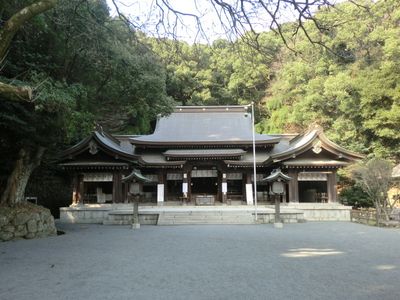
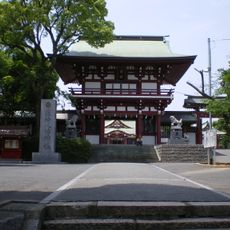
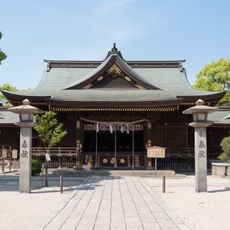
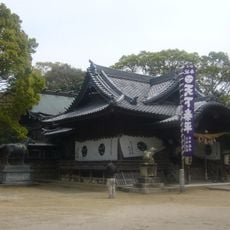
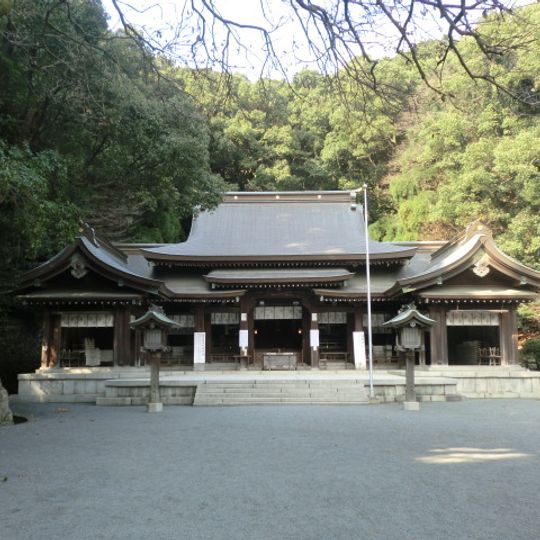
Takami-jinja is a Shinto shrine in Yahatahigashi-ku, Kitakyushu, serving as guardian shrine of Nippon Steel's Yawata Works. Its main hall is built in the flowing nagare-zukuri style entirely of Japanese cypress, and its construction took ten years to complete. Twelve deities are enshrined in the main sanctuary, with additional deities in the associated hall.
According to tradition, the shrine began when Empress Jingū prayed for victory during the Korean campaigns and enshrined imperial ancestors on a hill by Dokai Bay. In 1896 the state-run Yawata Steel Works took over the grounds, and the shrine was moved to Okura Hachiman Shrine. It later returned to its present site as guardian deity of Nippon Steel.
The shrine's name, Takami, is written with the characters for "high" and "see", and its grounds and surroundings are known as a cherry-blossom spot. The shrine honours the deities of the Hachiman cult, including Emperor Ōjin, and was revered as guardian of the Yawata steelworks, so its festivals and rites were tied to the company's calendar.
The shrine stands on a hill above Dokai Bay in Yahatahigashi-ku, near the Nippon Steel Yawata works; the approach is uphill, so allow time for the climb. The grounds and the surrounding slopes are known for cherry blossoms in spring. Visitors bow before the gate and purify hands at the basin before praying.
The shrine's main hall took ten years to complete and is built entirely of hinoki cypress in the nagare-zukuri style. In 1954, during Emperor Showa's tour of Kyushu, it received heihaku offerings alongside Fukuoka's former imperially funded grand shrines.
The community of curious travelers
AroundUs brings together thousands of curated places, local tips, and hidden gems, enriched daily by 94,599 contributors worldwide.