柊塚古墳, Ancient burial mound in Asaka, Japan.
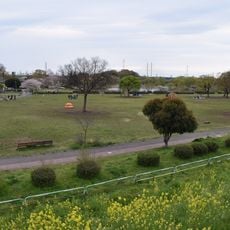
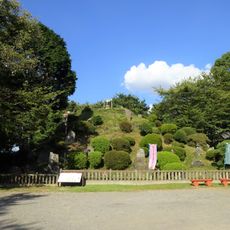
The Hiiragi-tsuka Kofun is a keyhole-shaped burial mound with a rectangular front section connected to a rounded rear portion rising several meters high. The structure displays the distinctive two-part design typical of these monumental burial constructions.
This burial mound was constructed during the Kofun period between the 3rd and 7th centuries, reflecting the emergence of centralized political structures in ancient Japan. The period marked a transition toward a society with clearly defined power hierarchies and organized authority.
The site reflects how ancient Japanese communities honored their leaders through monumental construction and ritual burials in a landscape shared by other important tombs. Visitors can sense the reverence placed on this burial ground through its careful positioning among neighboring mounds.
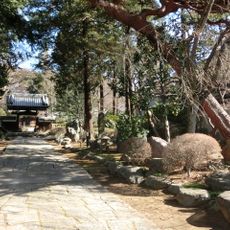
The archaeological site is accessible via marked pathways with informational panels explaining the architectural features and historical context throughout the grounds. Visitors should check locally for seasonal conditions that might affect access or viewing.
This mound belongs to the Negishi group of burial sites, showing how important tombs were deliberately placed close together in specific locations. The clustering of multiple mounds suggests the area was treated as a sacred burial ground for local leaders.
The community of curious travelers
AroundUs brings together thousands of curated places, local tips, and hidden gems, enriched daily by 91,982 contributors worldwide.