海岸寺, Buddhist temple in Sudama, Hokuto, Japan
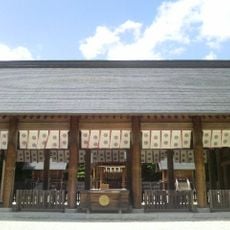
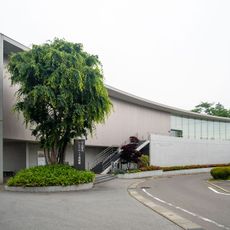
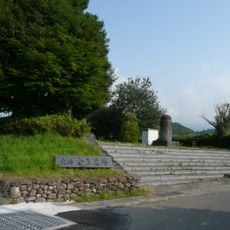
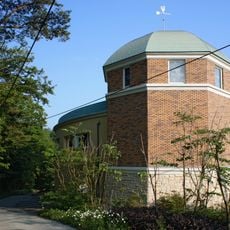
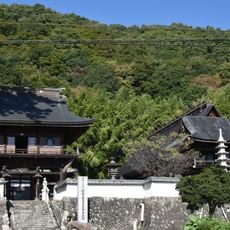
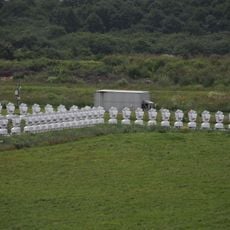
Kaigan-ji is a Rinzai-shu Myoshin-ji temple in Sudama-cho Kamitsugane, Hokuto, Yamanashi, with the mountain name Tsugane-san and Shakyamuni as principal image. Its grounds hold a main hall, kuri, Kannon hall, sutra repository, bell tower and Niomon gate, plus 100 stone Kannon figures carved by sculptor Moriya Teiji.
According to temple tradition, the monk Gyōki founded it in 717, and in 737 it received the imperial plaque "Kōmyōden" from Emperor Shōmu. In 1368–1375 Shōtaku, grandson of Takeda Nobukiyo, invited Sekishitsu Zenkyū from Kenchō-ji and converted it from Risshū to Rinzai. Oda Nobunaga's 1582 Kōshū campaign burned the halls; Tokugawa Ieyasu donated land in 1583 and rebuilt it, and in 1667 Kyōō Sōchi revived it and switched it to the Myōshin-ji branch.
The temple's former name, Tsugane-ji, links it to two other Tsugane-ji temples in Nagano Prefecture; together they are called the Three Tsugane-ji of Japan. Its pilgrimage identity is also visible: it is stop 13 on the Kai Thirty-Three Kannon route and stop 71 on the Kai 108 Sacred Sites circuit, and a hymn (goeika) about Fudaraku and the "sea shore temple" of Tsugane is associated with it.
The grounds are generally accessible from sunrise to sunset, with certain areas reserved for prayer and meditation. Visitors should show respectful behavior and follow the guidance of monks, especially in meditation halls.
The temple was formerly called Tsugane-ji, and together with two temples of the same name in Nagano Prefecture it forms the "Three Tsugane Temples of Japan". Its grounds hold about a hundred stone Kannon statues carved by the sculptor Moriya Teiji, representing the pilgrimage routes of Saigoku, Bandō and Chichibu.
The community of curious travelers
AroundUs brings together thousands of curated places, local tips, and hidden gems, enriched daily by 94,037 contributors worldwide.