Kinsei ruins, Archaeological site in Hokuto, Japan.
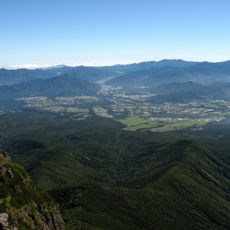
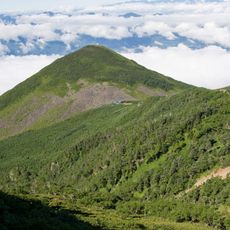
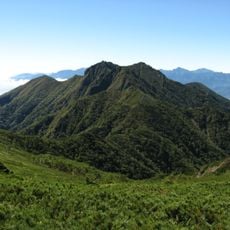
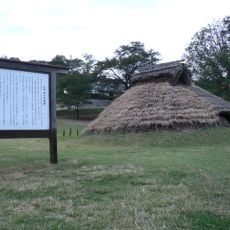
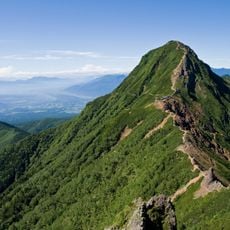
The Kinsei ruins occupy a ridge on the southern foot of Mount Yatsugatake at about 770 meters, in Hokuto, Yamanashi. The site has two areas: A to the north, with 38 pit dwellings from the final Jōmon period (1000–300 BCE) and stone-circle ritual features, and B to the south, with medieval moats, 49 underground chambers and later buildings. Some dwellings have been reconstructed as a park.
Excavations in the 1980s uncovered 41 pit dwellings from the late Jomon period, when climate shifts occurred in the region. This era marked changes in how people lived and where they settled.
The ritual area of Site A held stone circles with standing stones and stone rods, plus over 200 clay figurines, clay earrings and stone swords. In a pit 1.3 m wide and 60 cm deep lay the burnt lower jaws of 138 wild boars, 115 of them juveniles, suggesting a hunting or farming rite compared to the Ainu iomante bear ceremony.
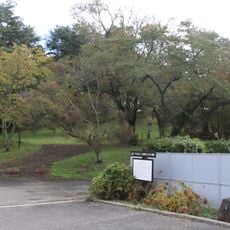
The grounds are easy to reach and offer pathways to explore the uncovered structures and display areas. Wear sturdy shoes since the terrain is uneven, and bring sun protection as exposure is considerable.
At location B, layers from different periods overlap, with structures from the 16th and 17th centuries positioned above much older remains. This sequence allows visitors to see thousands of years of human use at the same spot.
The community of curious travelers
AroundUs brings together thousands of curated places, local tips, and hidden gems, enriched daily by 95,098 contributors worldwide.