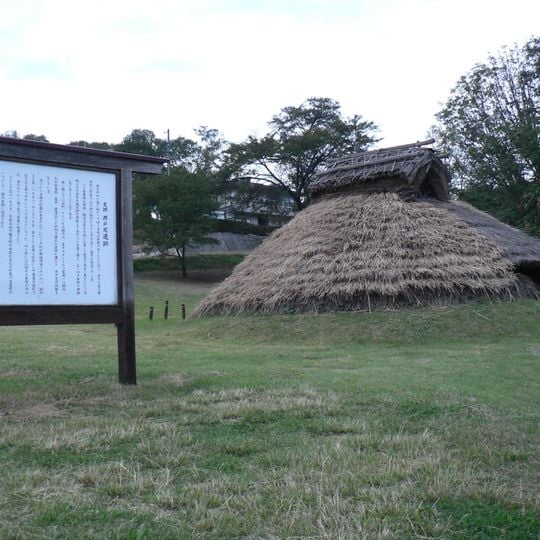
Idojiri ruins, Archaeological site in Suwa County, Japan
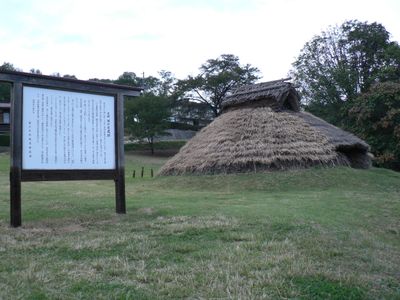
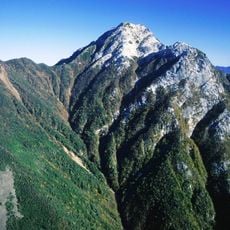
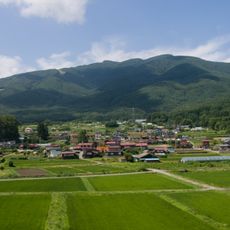
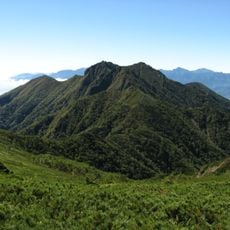
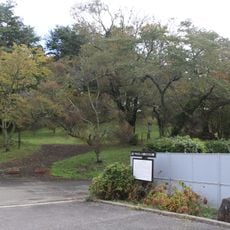
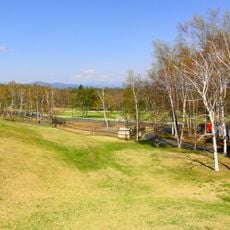
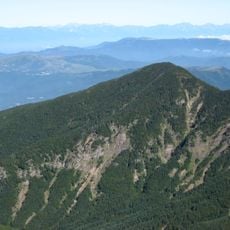
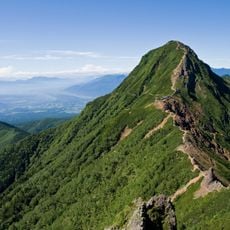
The Idojiri ruins are located on gentle slopes at altitudes between 800 and 1000 meters on the southern foothills of Mount Yatsugatake. The site holds approximately 2000 artifacts from the Jomon period, including pottery vessels in various shapes such as bowls and deep cooking pots.
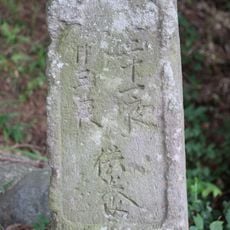
Excavations at this site began in 1958, leading to its recognition as a national landmark in 1966. This designation marked the importance of the discoveries for understanding early settlement and living patterns during the Jomon period.
The pottery found here displays frog, snake, and lunar designs that reflect how residents connected their daily lives to nature and seasonal cycles. These motifs suggest the people expressed their observations of the world through objects they used every day.
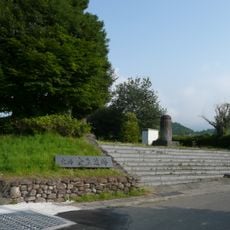
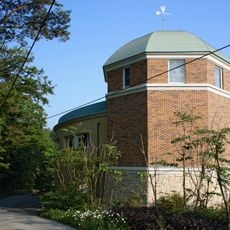
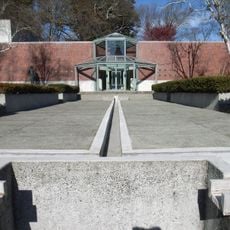
Access is via hiking paths on the mountain slopes from which you can explore the terrain and excavation areas. A museum on the grounds displays the uncovered objects and provides insights into the living conditions of ancient residents.
Excavations uncovered twelve complete ceramic vessels, including bowls and cooking pots, which are rarely found in such complete condition. These discoveries provide rare insights into the exact shape and everyday use of containers by the ancient population.
The community of curious travelers
AroundUs brings together thousands of curated places, local tips, and hidden gems, enriched daily by 92,207 contributors worldwide.