Akyū ruins, Archaeological site in Hara, Japan.
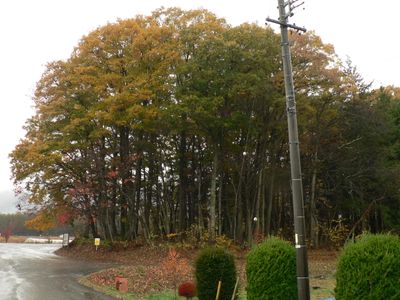
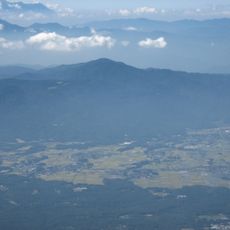
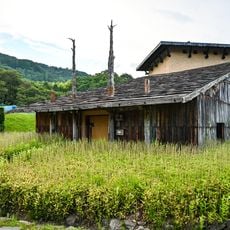
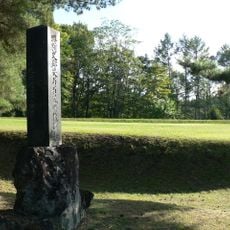
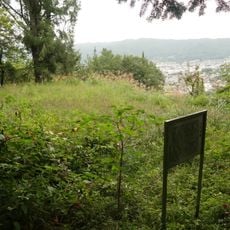
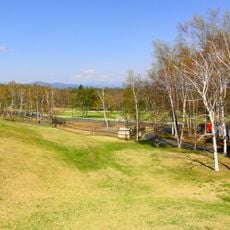
The Akyū ruins are an archaeological site on a ridge at the southeastern foot of the Yatsugatake mountain range, in Hara, Japan. The grounds preserve the remains of round pit dwellings, square storage structures, and a large burial area arranged around a central open space.
The site was continuously occupied during the Jōmon period, from around 4000 to 300 BCE, making it one of the longest-used settlements in the region. This span of occupation points to a location that remained reliably good for living across many generations.
The people who lived here buried their dead in organized groups around a central open space, suggesting a community with shared rituals. This arrangement is still readable on the ground today and gives visitors a direct sense of how the settlement was organized socially.
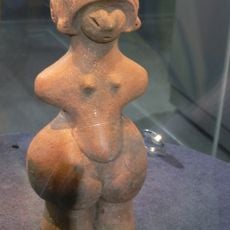
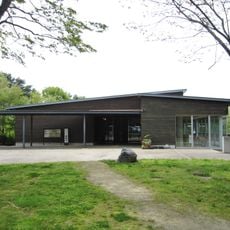
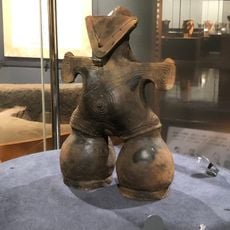
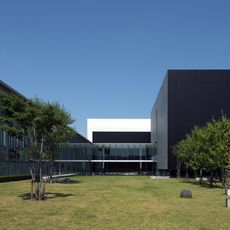
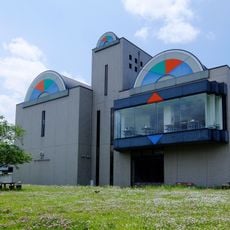
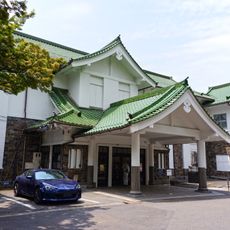
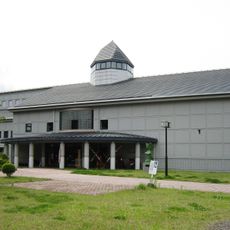
Most of the objects found during excavations are kept in nearby museums rather than on site, so it is worth planning a museum visit if you want to see the actual finds. The grounds themselves show the outlines and physical remains of ancient structures directly in the earth.
A large stone circle made from around 200,000 river rocks, each roughly the size of a fist, was built on the site. It ranks among the largest known stone arrangements of its kind in Japan, and its exact purpose has never been fully explained.
The community of curious travelers
AroundUs brings together thousands of curated places, local tips, and hidden gems, enriched daily by 92,375 contributors worldwide.